The
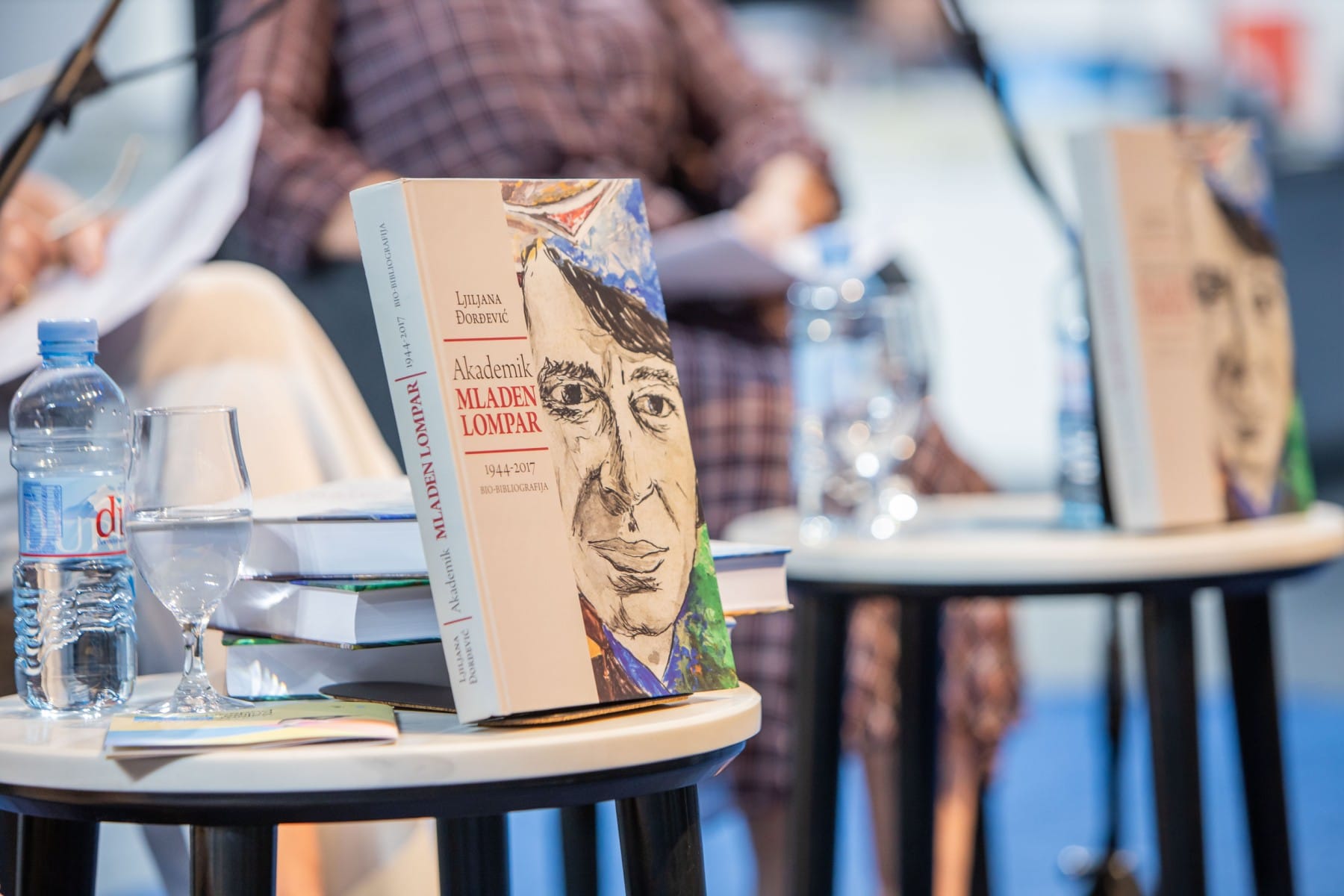
bio-bibliography of academician Mladen Lompar by Ljiljana Đorđević was
presented on Wednesday, September 27, at the 9th International Book
Fair in Podgorica.
Nela
Savković-Vukčević, Dragica Lompar and author spoke at the promotion.
Bio-bibliographies
represent a list of all the works of an author and books, his/her articles and
articles about that author. Mrs. Lompar noted that great creators often receive
recognition in the form of such a publication during their lifetime, which,
unfortunately, was not the case with Mladen.
“However,
bibliographies, as a specific and indispensable form of reference literature
for research in all fields of knowledge, are never finished. This is also the
case with the bio-bibliography of Mladen Lompar, his poetic work, then the
entire oeuvre related to the history and affirmation of Montenegrin fine art
and tireless devotion to the dignity of Montenegro in the state, ethnic,
multi-ethnic, cultural, historical, linguistic and every other sense - will be
researched and re-read by current and future generations”, said Lompar.
The author pointed
out that she began her work on collecting material in 2017, after Lompar's
death, and with the collected material she tried to make a complete overview of
his literary, artistic, historical and other creative work.
“The aggravating
circumstance was that Lompar did not belong only to the Montenegrin written tradition
and his works were published in all the newspapers of the former Yugoslavia, so
there is a justified fear that some bibliographic unit was omitted in this
review”, said Đorđević.
Speaking about
Lompar's creativity, Ms. Savković-Vukčević recalled the time when they worked
together on the RTCG project called “Montenegrin Themes”. Lompar was an expert
consultant and insisted on continuity in achievements, explaining that the
predecessors are the foundation for the inheritors and the inheritors are the
confirmation of predecessors’ work, while all together build a new and modern
humanity and become a backbone for all further achievements. “It’s not that all
start with us”, he suggested, according to her, discreetly and decisively, in
order to encourage the awareness that we are stronger together.
“Because of
Lompar's attitude, we have the impression that he has always been present, that
he is still among us, as well as a feeling of security that we are going
towards the lighthouse that he and his comrades built in a stormy and cloudy
time, sacrificing themselves for our clear horizons. Until the last moment,
Lompar devoted himself to every undertaking that defends justice and preserves
the truth”, concluded Savković-Vukčević.
The
bio-bibliography of Mladen Lompar, a unique figure of Montenegrin culture,
represents a real publishing and authorial venture that resulted in an
impressive publication with 4526 bibliographic units, divided into two basic
groups: “Literature of Mladen Lompar” and “Literature about Mladen Lompar”, and
within these groups, there are about thirty subgroups in which the material is
classified.
The artistic
contributions at the end of the manuscript are of particular value, but also a
curiosity when it comes to bibliographies.


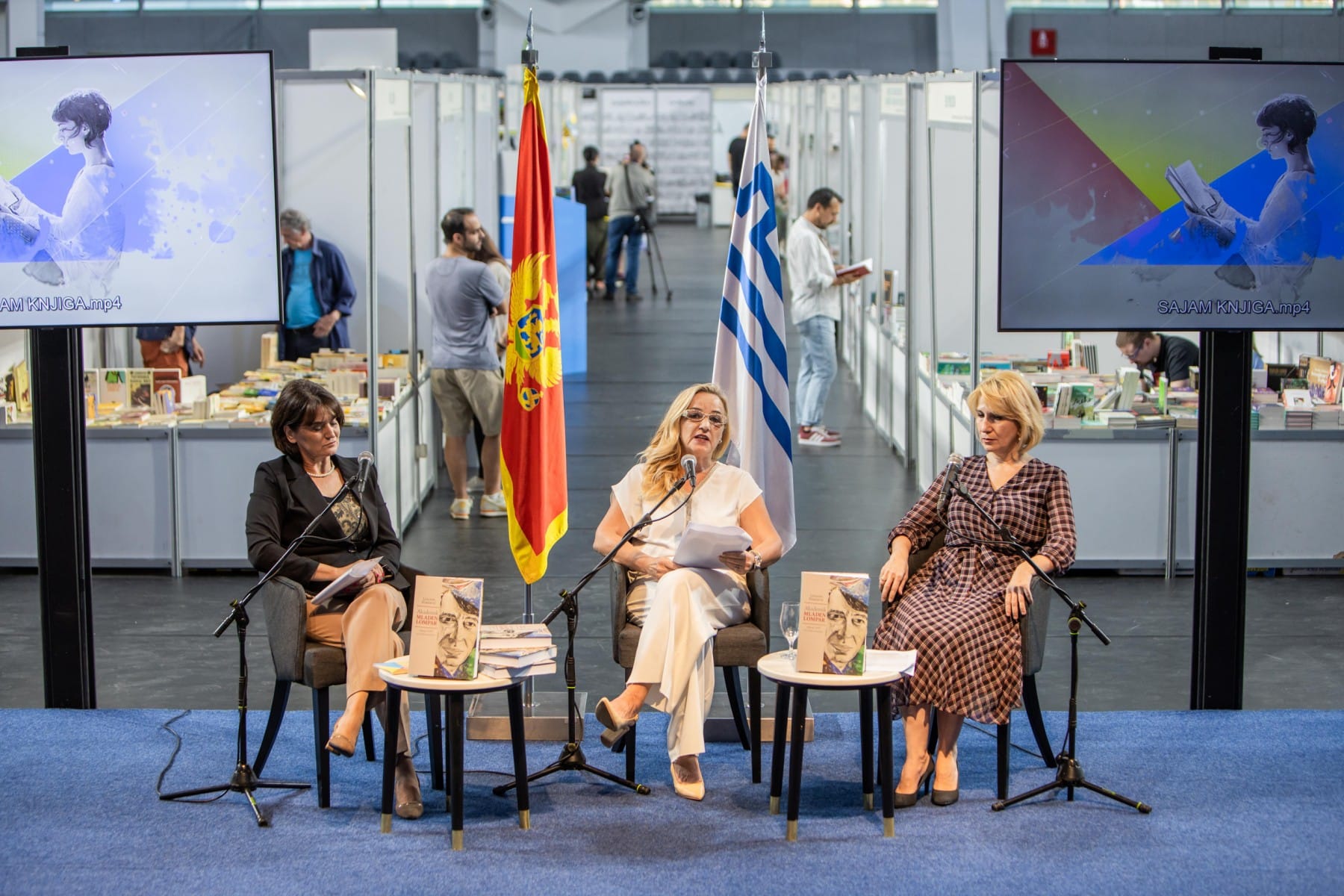




The bio-bibliography of academician Mladen Lompar by Ljiljana Đorđević was presented on Wednesday, September 27, at the 9th International Book Fair in Podgorica.
Nela Savković-Vukčević, Dragica Lompar and author spoke at the promotion.
Bio-bibliographies represent a list of all the works of an author and books, his/her articles and articles about that author. Mrs. Lompar noted that great creators often receive recognition in the form of such a publication during their lifetime, which, unfortunately, was not the case with Mladen.
“However, bibliographies, as a specific and indispensable form of reference literature for research in all fields of knowledge, are never finished. This is also the case with the bio-bibliography of Mladen Lompar, his poetic work, then the entire oeuvre related to the history and affirmation of Montenegrin fine art and tireless devotion to the dignity of Montenegro in the state, ethnic, multi-ethnic, cultural, historical, linguistic and every other sense - will be researched and re-read by current and future generations”, said Lompar.
The author pointed out that she began her work on collecting material in 2017, after Lompar's death, and with the collected material she tried to make a complete overview of his literary, artistic, historical and other creative work.
“The aggravating circumstance was that Lompar did not belong only to the Montenegrin written tradition and his works were published in all the newspapers of the former Yugoslavia, so there is a justified fear that some bibliographic unit was omitted in this review”, said Đorđević.
Speaking about Lompar's creativity, Ms. Savković-Vukčević recalled the time when they worked together on the RTCG project called “Montenegrin Themes”. Lompar was an expert consultant and insisted on continuity in achievements, explaining that the predecessors are the foundation for the inheritors and the inheritors are the confirmation of predecessors’ work, while all together build a new and modern humanity and become a backbone for all further achievements. “It’s not that all start with us”, he suggested, according to her, discreetly and decisively, in order to encourage the awareness that we are stronger together.
“Because of Lompar's attitude, we have the impression that he has always been present, that he is still among us, as well as a feeling of security that we are going towards the lighthouse that he and his comrades built in a stormy and cloudy time, sacrificing themselves for our clear horizons. Until the last moment, Lompar devoted himself to every undertaking that defends justice and preserves the truth”, concluded Savković-Vukčević.
The bio-bibliography of Mladen Lompar, a unique figure of Montenegrin culture, represents a real publishing and authorial venture that resulted in an impressive publication with 4526 bibliographic units, divided into two basic groups: “Literature of Mladen Lompar” and “Literature about Mladen Lompar”, and within these groups, there are about thirty subgroups in which the material is classified.
The artistic contributions at the end of the manuscript are of particular value, but also a curiosity when it comes to bibliographies.