85 years since the birth
and 25 years since the death of a well-known Montenegrin poet, journalist and
travel writer Vitomir Vito Nikolić was marked last night at the National
Library of Montenegro “Đurđe Crnojević” in Cetinje.
“Kako sam nekad ludovati
znao
s proljeća, kad planu te
kiše bučne.
Jednom sam divno pokisao,
ona topola, ja bor
razbarušen.
A sad ne mogu prozor da
otvorim,
da uđe to slavlje maja
pijanoga…
Možda i danas negdje gori
ljepota ona bosonoga?
Kiša, kiša u travi, u
lišću
šumi draga opijajuć snom.
Ozdraviću, sestro,
ozdraviću,
da bih umro kisnući ko
krov”, are the verses of Nikolić’s poem “Kisnući ko krov”, with which the
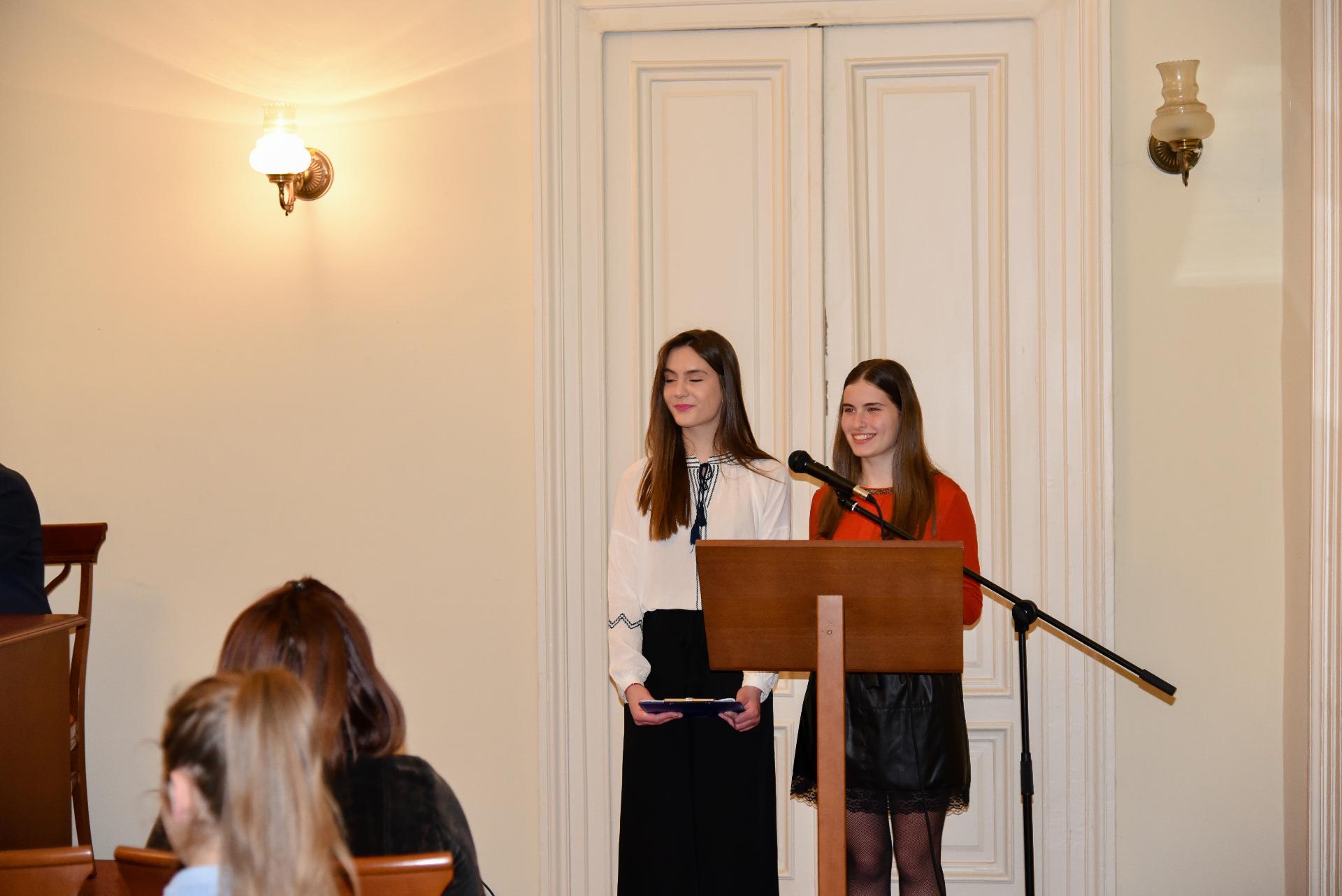
students of Cetinje Gymnasium, Tara Đurković and Milica Radović, who were the
program's presenters, led us into the story.
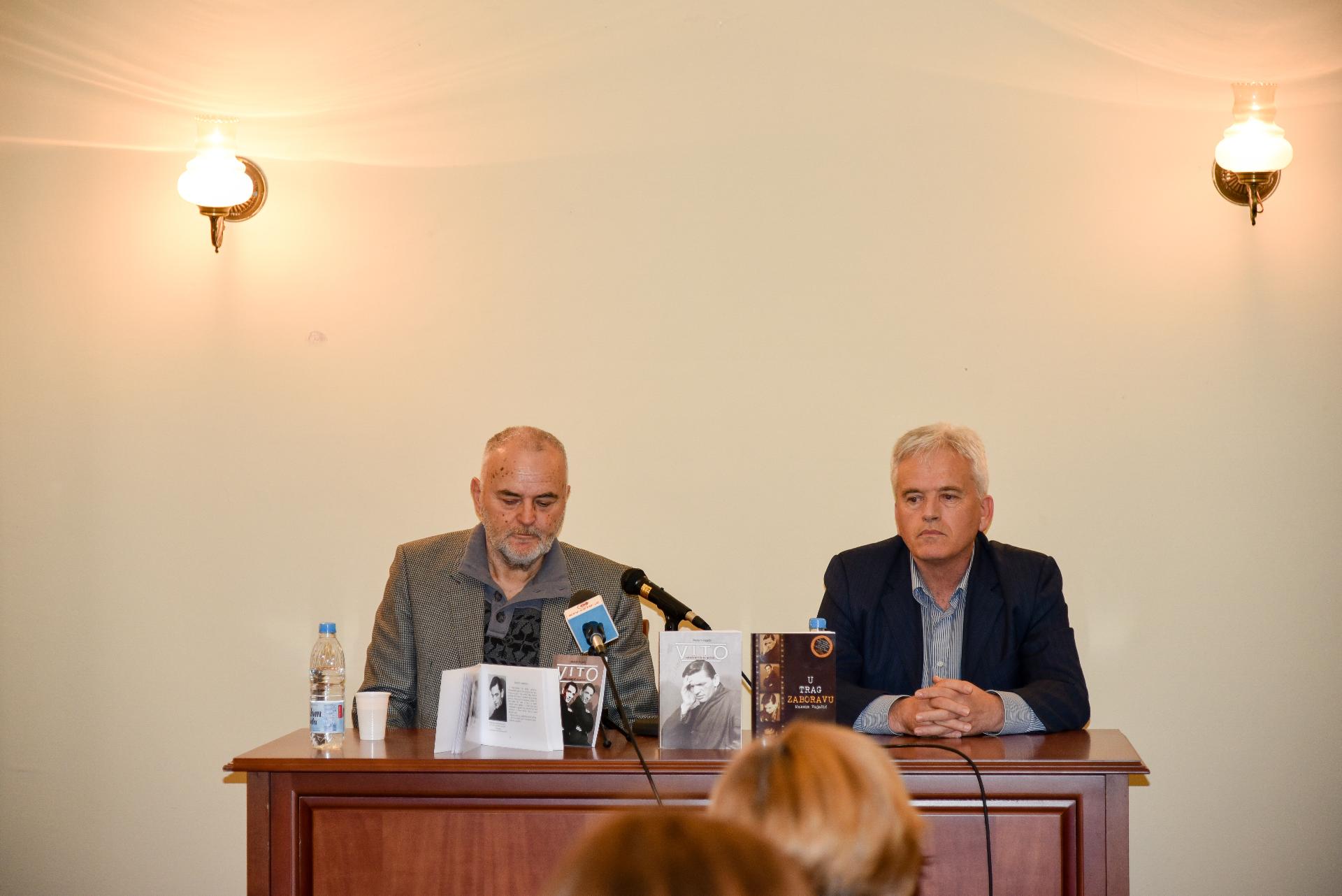
Maksim Vujačić, publicist
and Bogić Rakočević, writer and television author spoke about Vito’s life and
creative work.
“Almost his entire life
was marked by suffering. He was known as a bohemian, a man of a
specific tavern mood characterized by a twisting and playful spirit, and apart
from that one of the last complete lyricists, poets who literally lived poetry,
in which they could find the meaning and essence of their beings”, said Rakočević.
Although his financial
situation was modest, he printed the first books at his own expense and they were
mainly bought by his friends in taverns, where he often spoke his verses.
“Those spontaneous poetic
nights contributed to the popularity of his poems before publishing them in the
form of a book. He was one of those poets who was more
read and more present among the wider reading audience, rather than critically
evaluated and valued”, said Rakočević.
Maksim Vujačić spoke
about his acquaintance with Vito, about his literary work and life.
“Nikolić's poetry has
been living for more than half a century and interest in it has grown. I'll
say something that nobody has ever said, at my own risk, and I think you will
agree with that. Leso and Vito are the most loved and most
famous Montenegrin poets and lyricists”, said Vujačić and added that in 1962,
when Vito's collection “Drumovanje” was published, Montenegro got
its national poet, like France got Prévert.
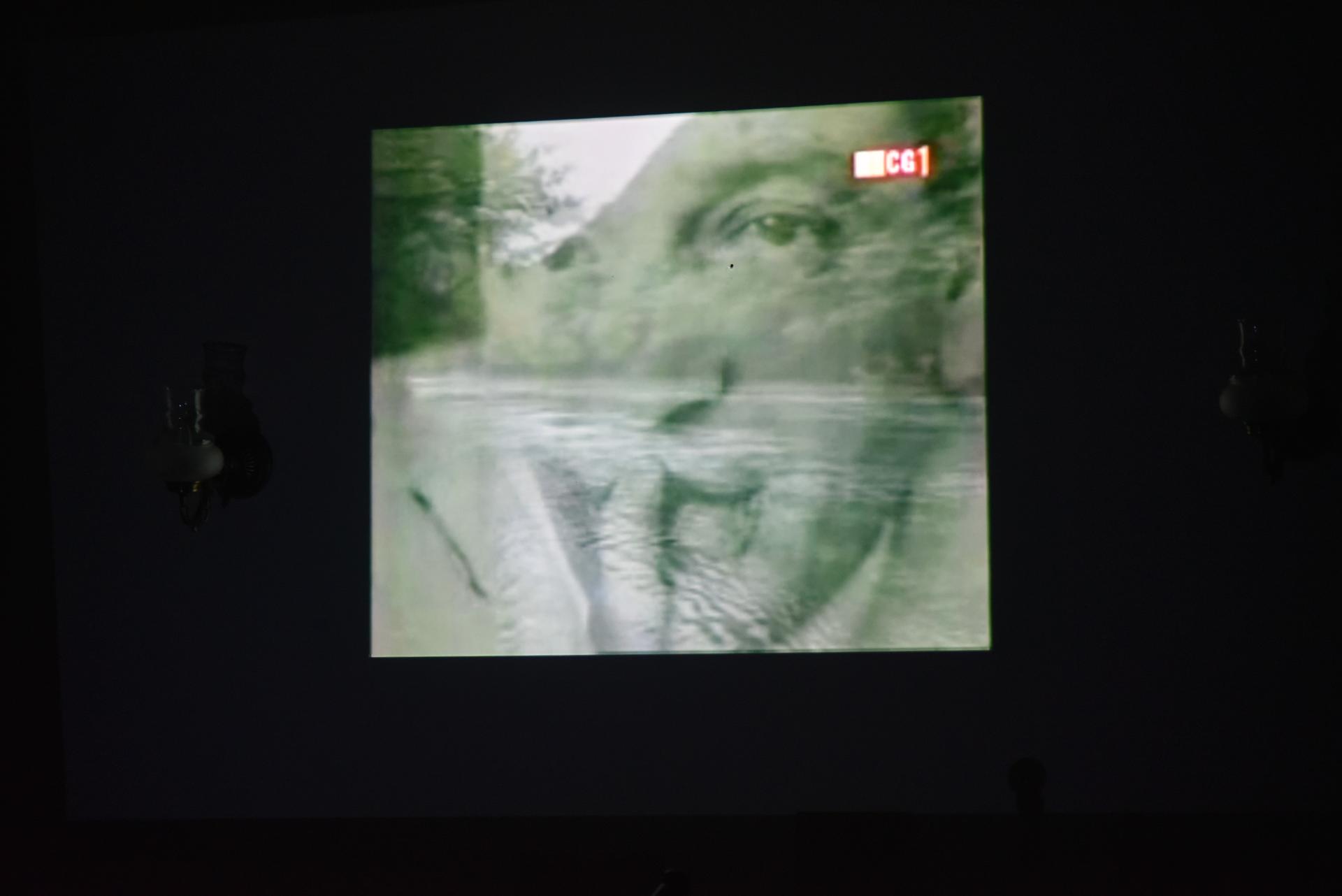
After the speech, the
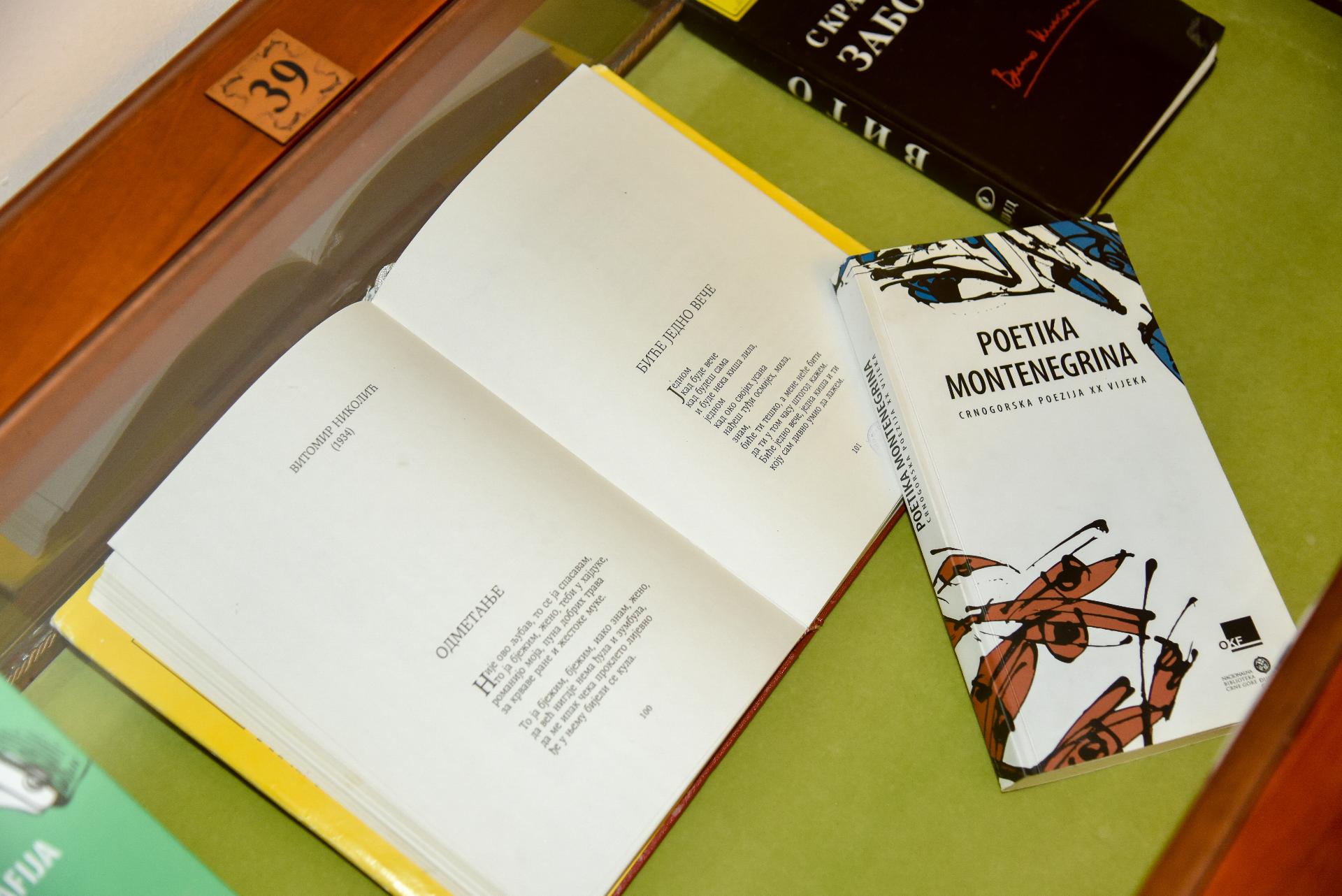
public could see a documentary about Nikolić from the series “Poetika
Montenegrina”, whose author is Mr. Rakočević.
Vito Nikolić, from Nikšić
by origin, was born in Mostar in 1934, where his father was in
the military service. In April 1941, he escaped with his family to Nikšić. Very
early he remained without a mother who died of tuberculosis. In
1943, the Italians killed his father, and during the war, he lost his elderly
brother who was killed by a bomb.
After the war, Vito was
living in an orphanage until he turned 18. He spent most of his life
in Nikšić, lived in poverty, and loved spending time in taverns. Throughout
his life he suffered from lung diseases caused by difficult life circumstances
and was therefore a frequent visitor to hospitals and sanatoriums.
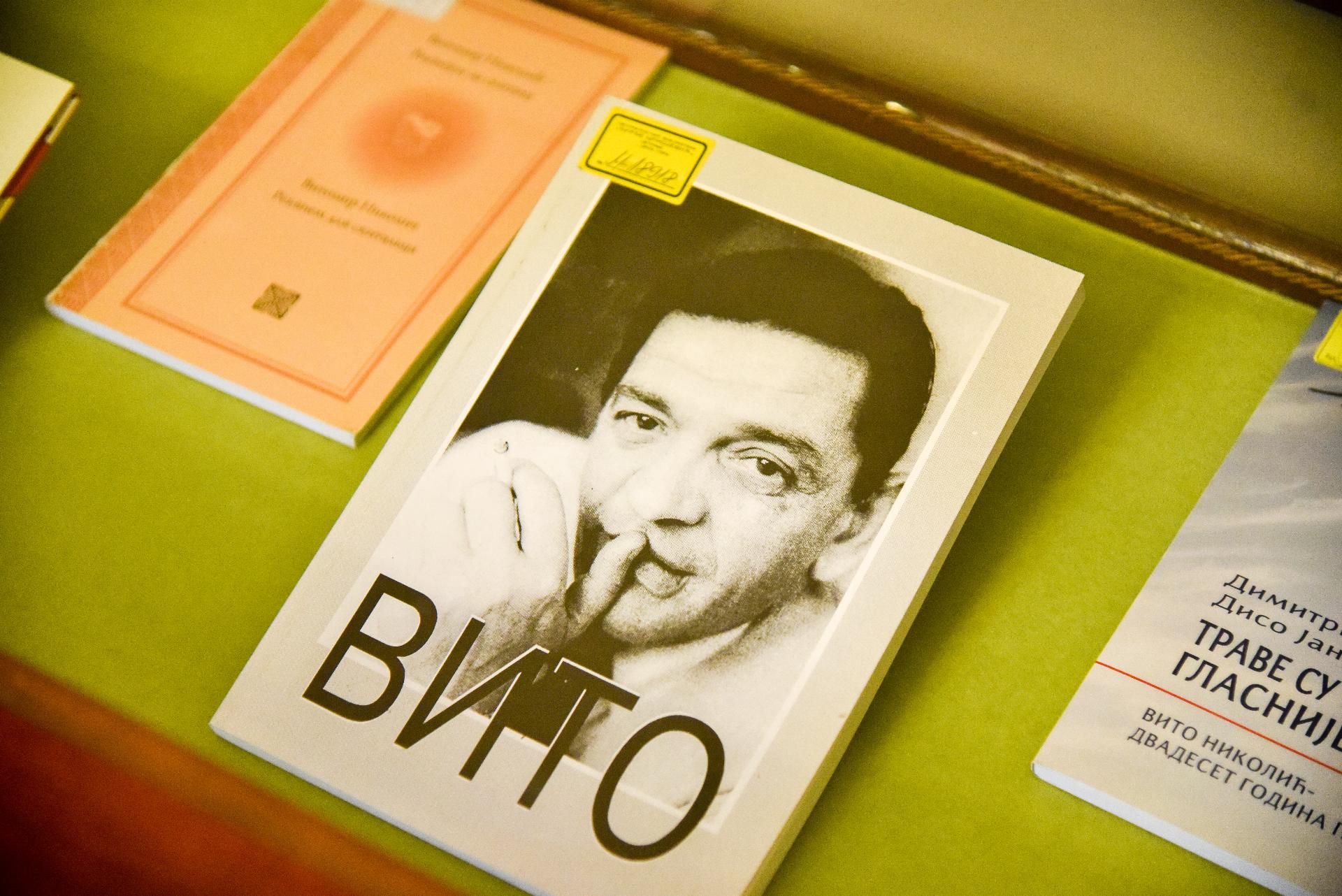
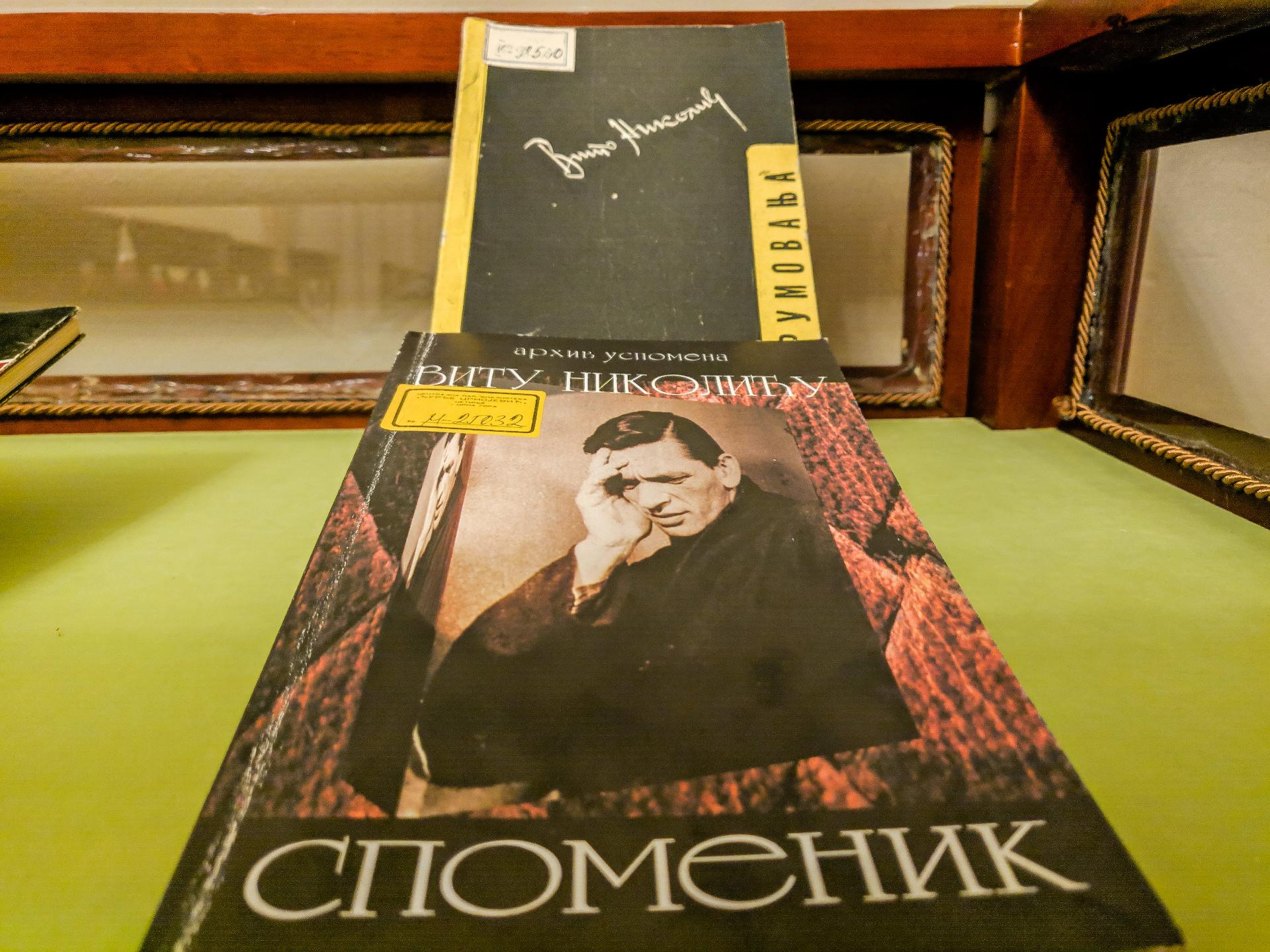
During his lifetime, he
published three collections of poems: “Drumovanja”, “Sunce, hladno mi je!” and
“Stihovi”. He moved from Nikšić to Podgorica, where he worked in the editorial
board of “Pobjeda”. In “Pobjeda” he published popular reportages entitled
“Crnom Gorom putem i bespućem”.
Several editions of poems
have been published posthumously, as well as collections of feuilletons,
travelogues, reportages and recordings. The forth collection of poems “Stare i
nove pjesme” was published by his friend Rajko Babović.



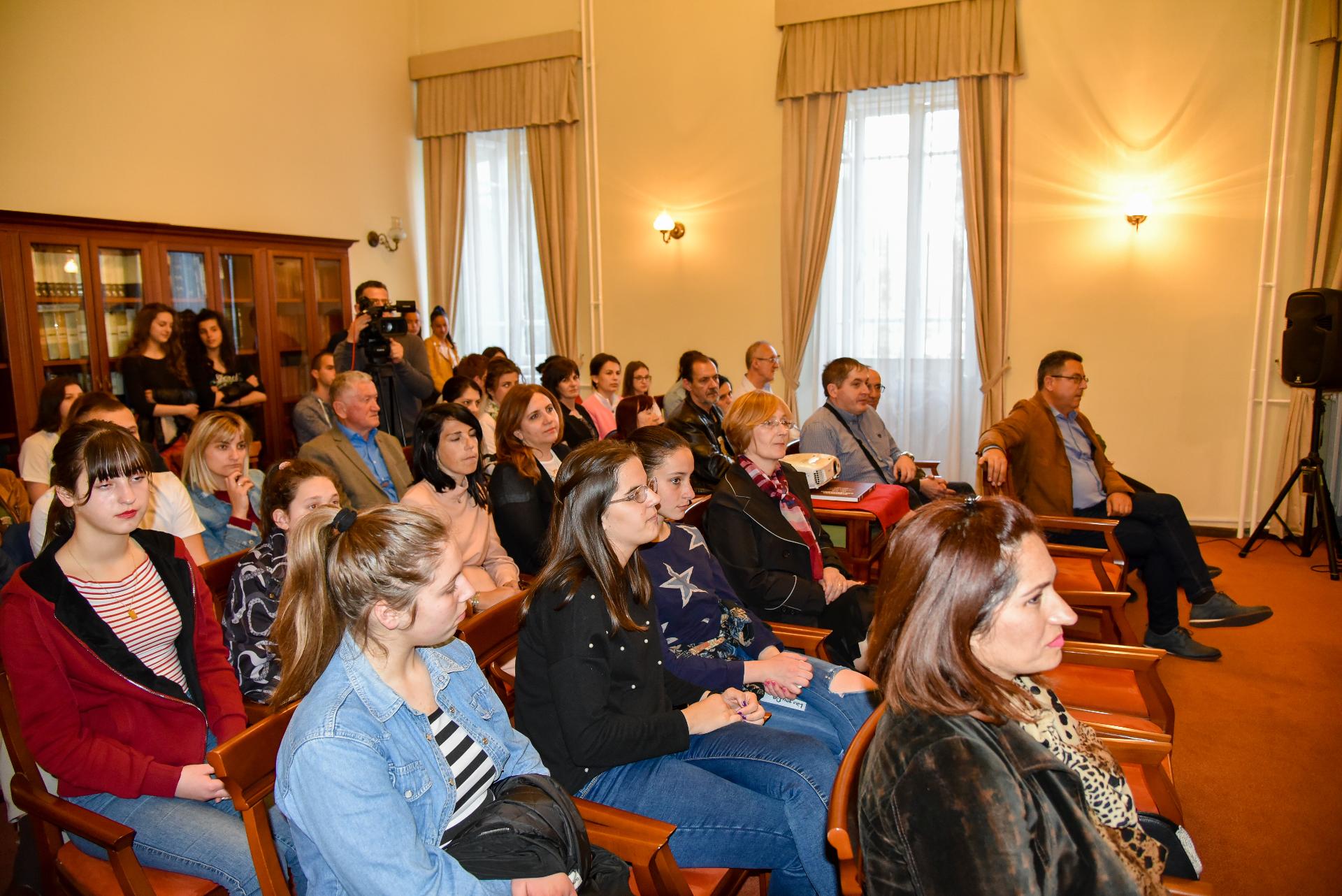
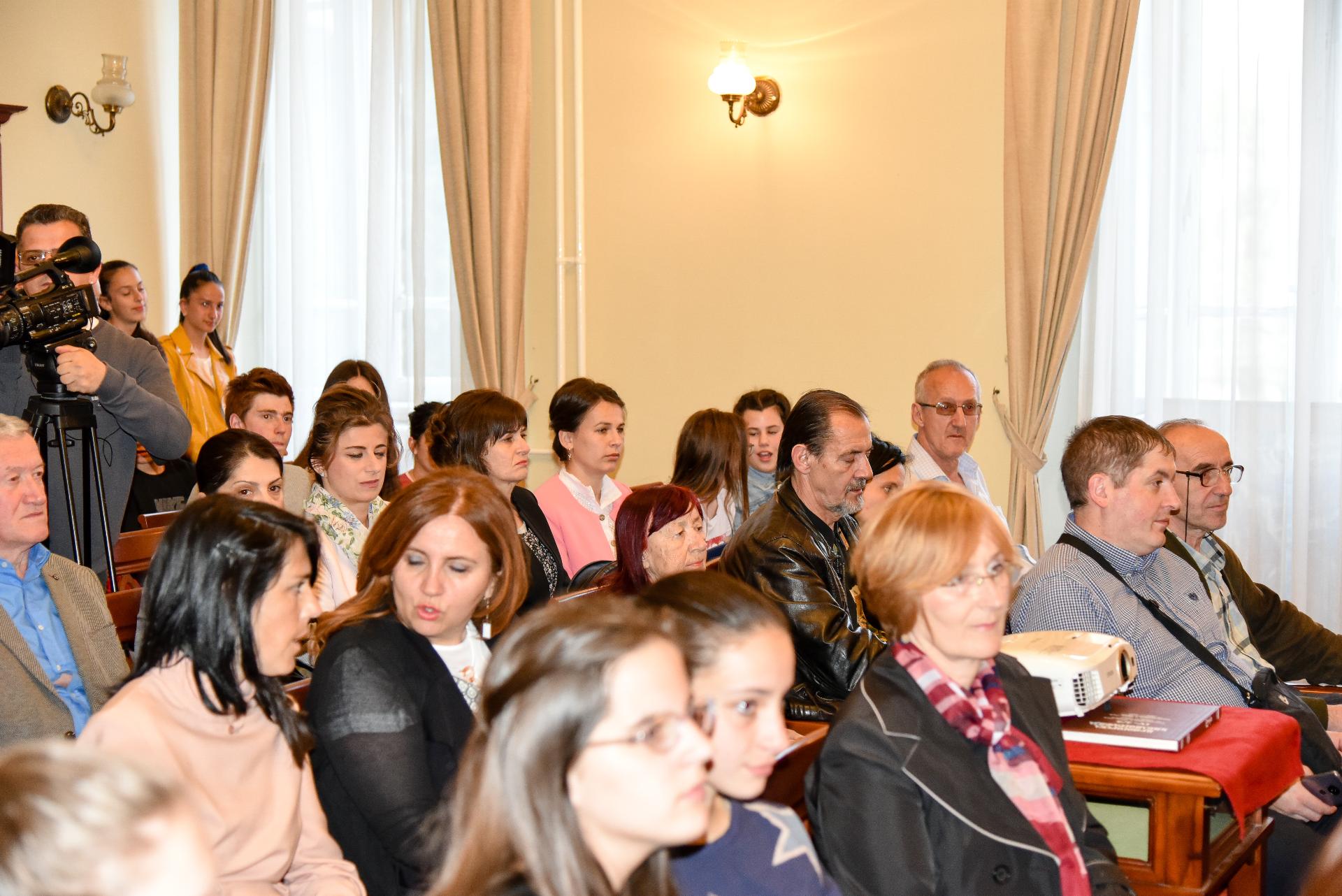
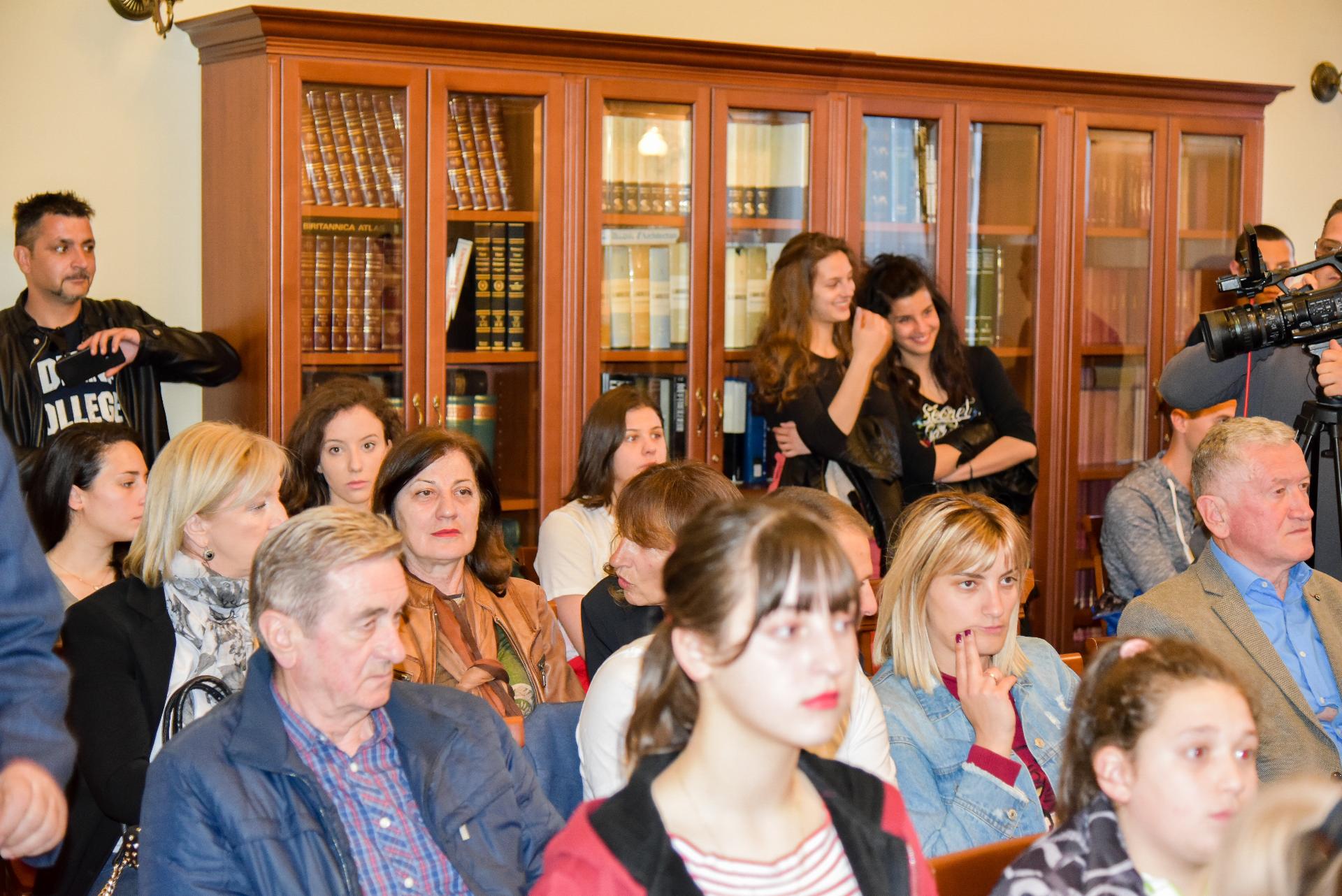

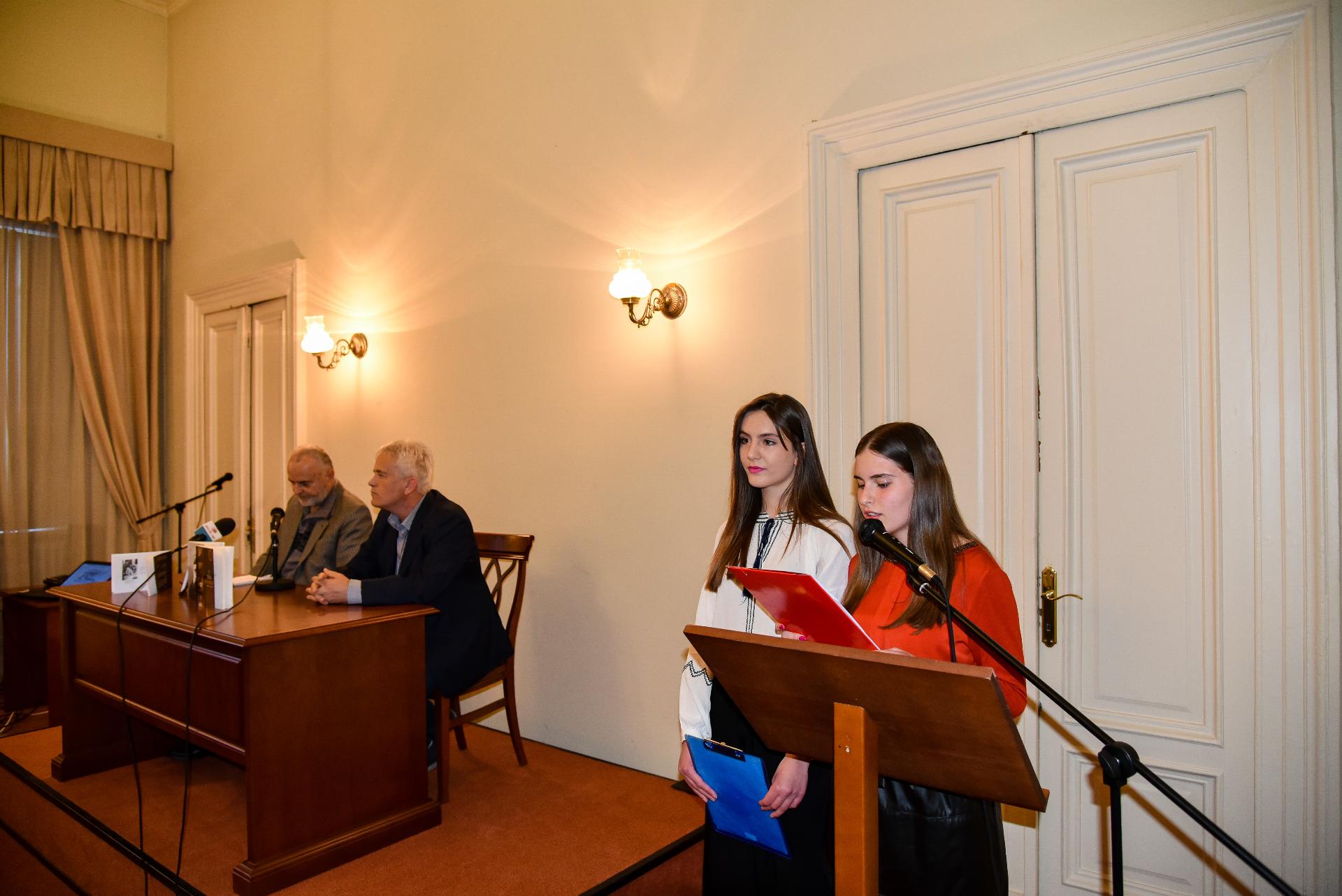
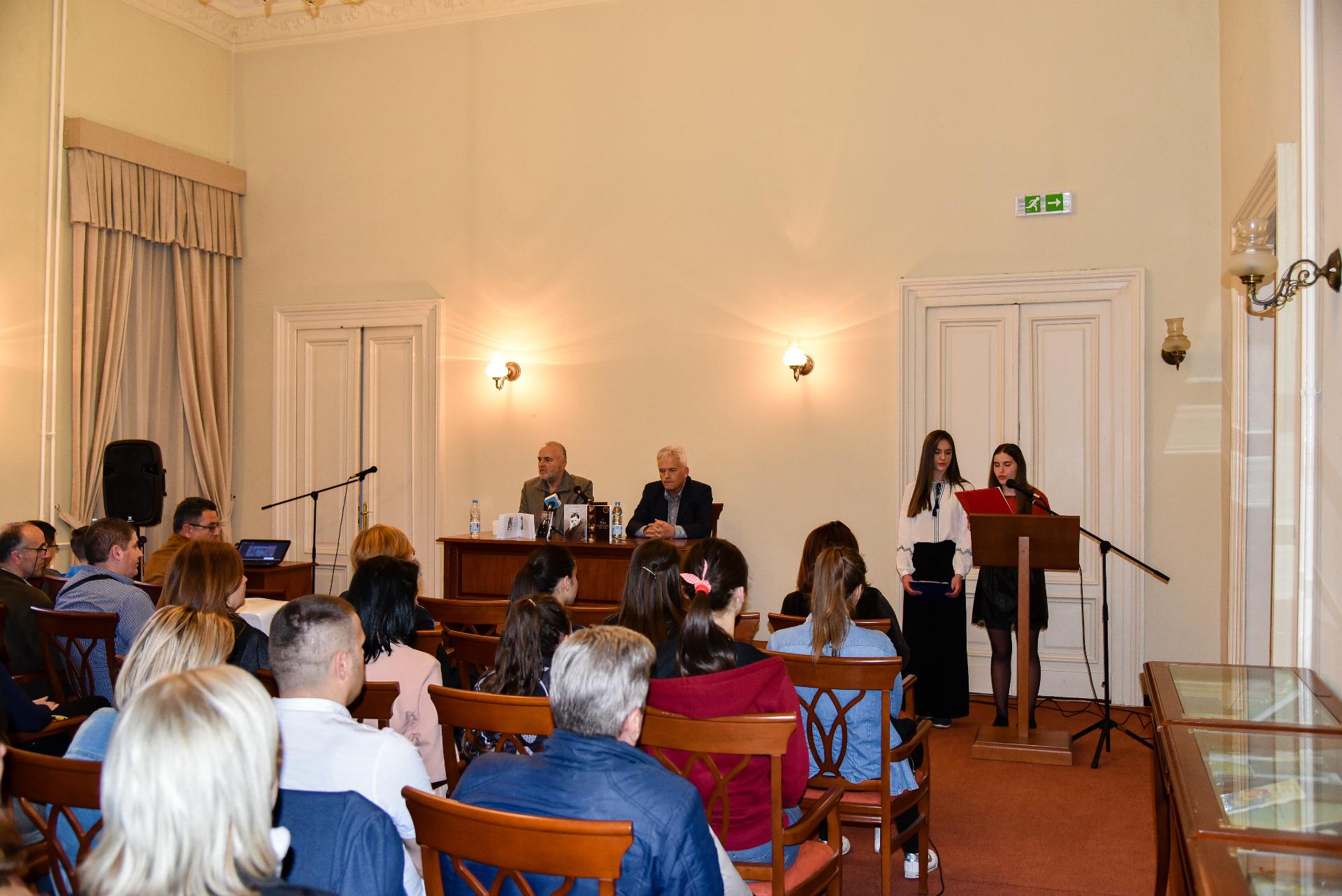
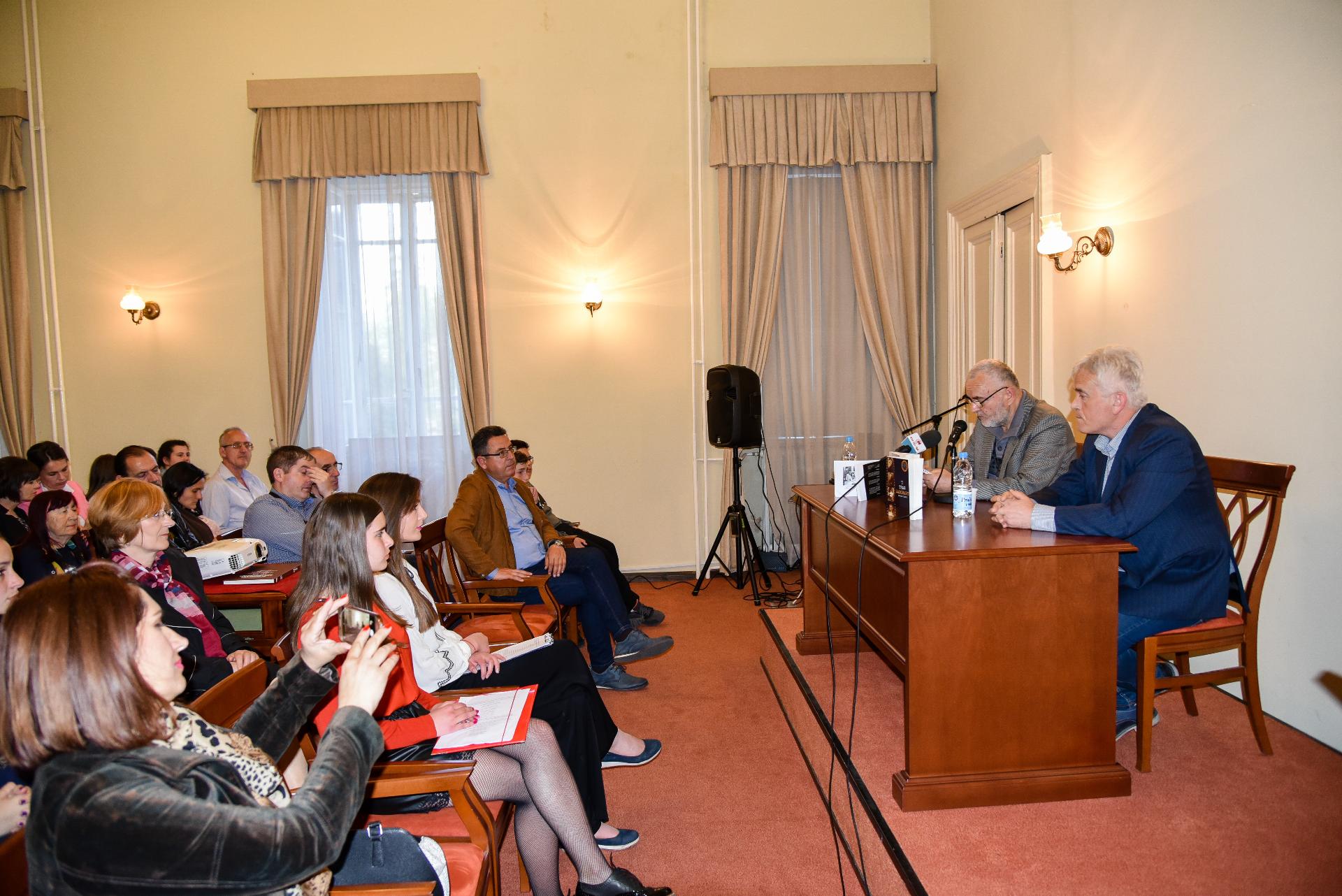
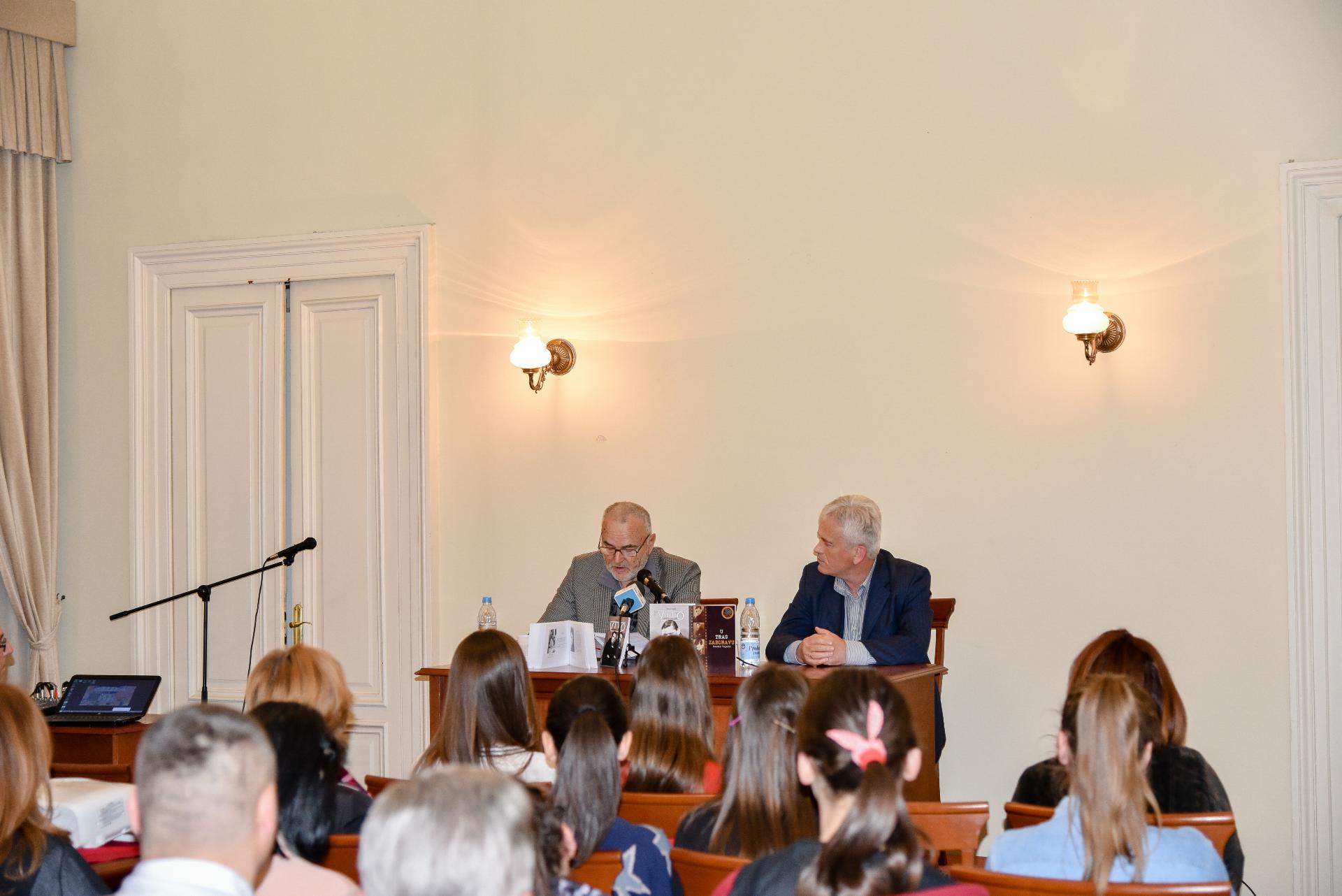
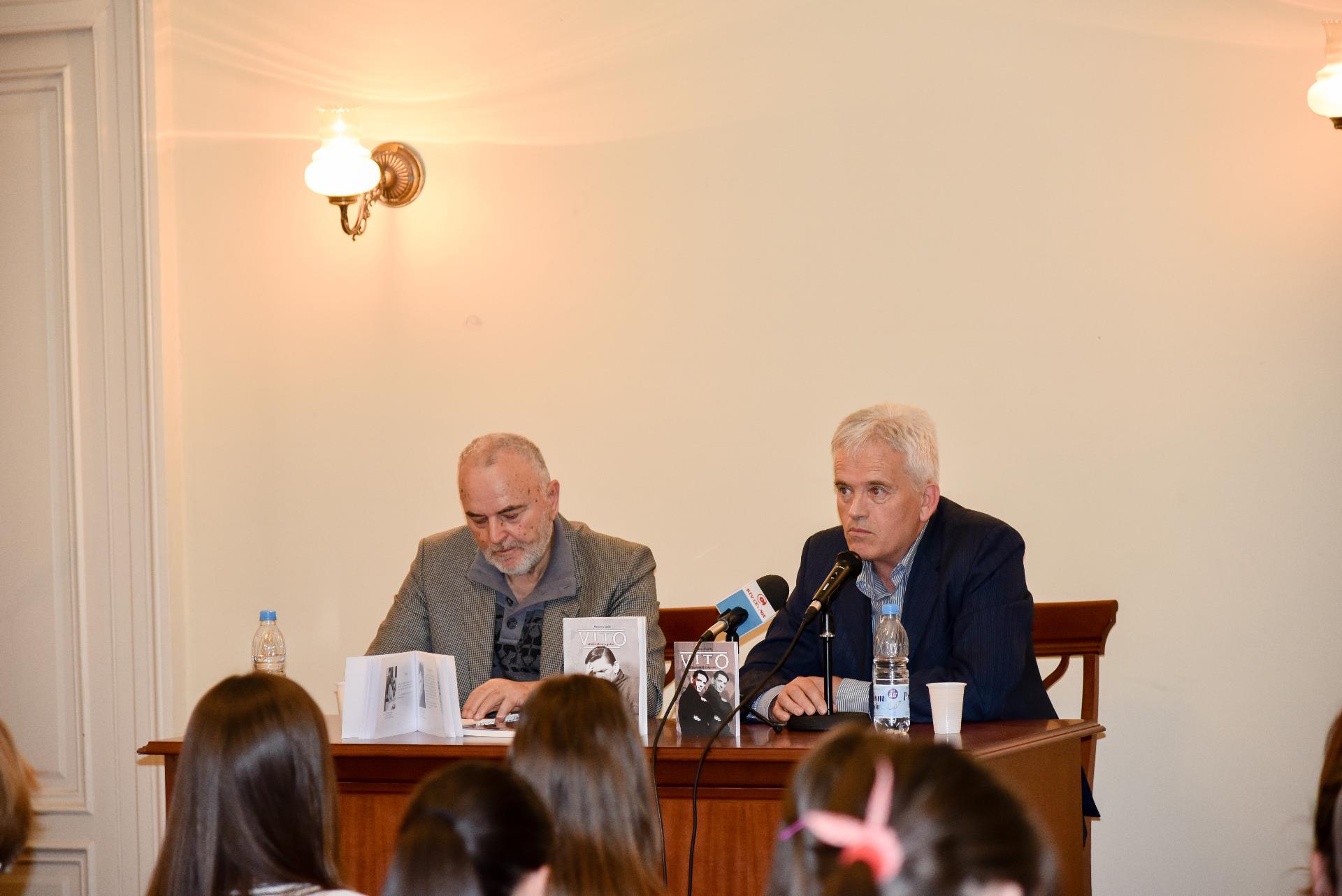
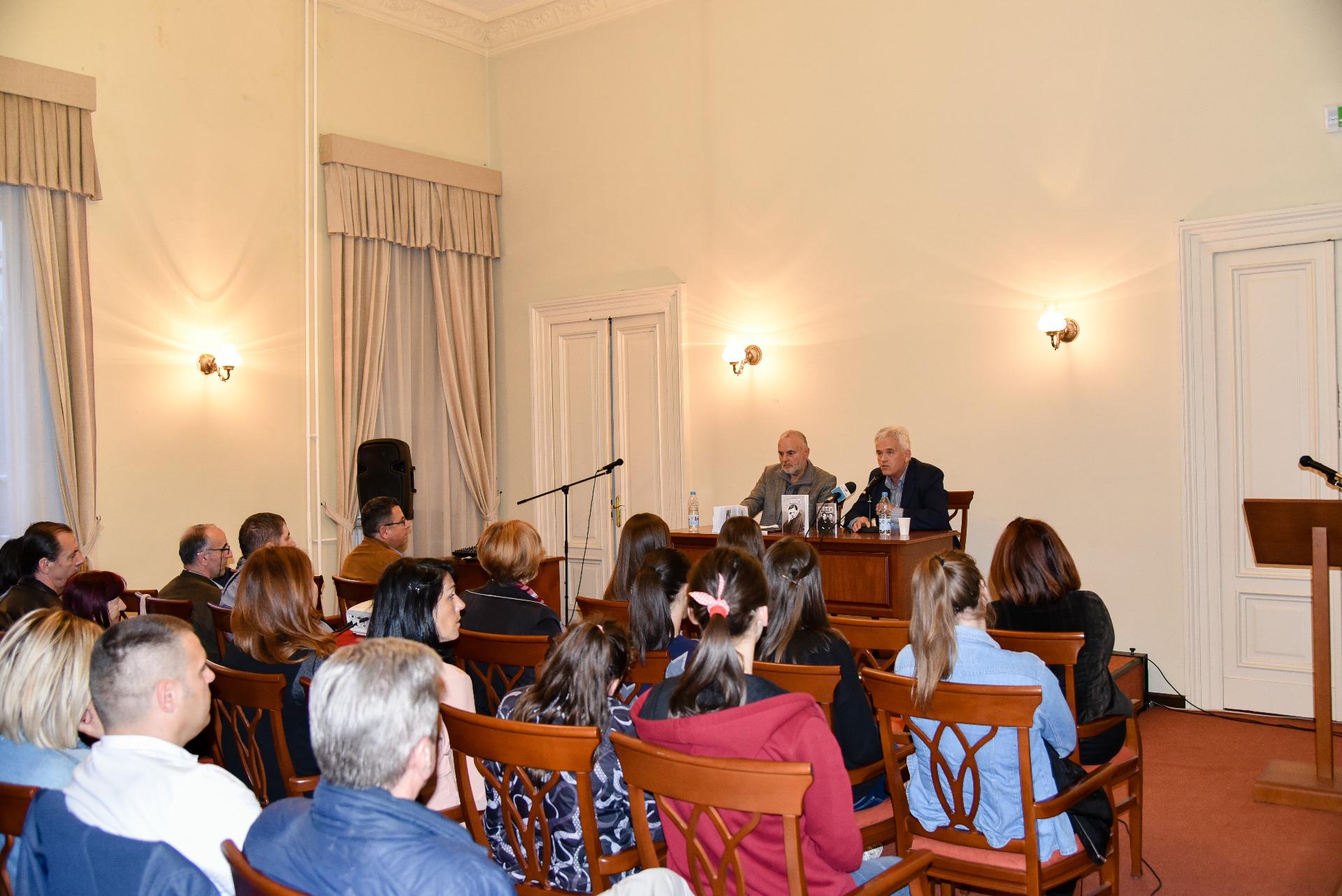

85 years since the birth and 25 years since the death of a well-known Montenegrin poet, journalist and travel writer Vitomir Vito Nikolić was marked last night at the National Library of Montenegro “Đurđe Crnojević” in Cetinje.
“Kako sam nekad ludovati znao
s proljeća, kad planu te kiše bučne.
Jednom sam divno pokisao,
ona topola, ja bor razbarušen.
A sad ne mogu prozor da otvorim,
da uđe to slavlje maja pijanoga…
Možda i danas negdje gori
ljepota ona bosonoga?
Kiša, kiša u travi, u lišću
šumi draga opijajuć snom.
Ozdraviću, sestro, ozdraviću,
da bih umro kisnući ko krov”, are the verses of Nikolić’s poem “Kisnući ko krov”, with which the students of Cetinje Gymnasium, Tara Đurković and Milica Radović, who were the program's presenters, led us into the story.
Maksim Vujačić, publicist and Bogić Rakočević, writer and television author spoke about Vito’s life and creative work.
“Almost his entire life was marked by suffering. He was known as a bohemian, a man of a specific tavern mood characterized by a twisting and playful spirit, and apart from that one of the last complete lyricists, poets who literally lived poetry, in which they could find the meaning and essence of their beings”, said Rakočević.
Although his financial situation was modest, he printed the first books at his own expense and they were mainly bought by his friends in taverns, where he often spoke his verses.
“Those spontaneous poetic nights contributed to the popularity of his poems before publishing them in the form of a book. He was one of those poets who was more read and more present among the wider reading audience, rather than critically evaluated and valued”, said Rakočević.
Maksim Vujačić spoke about his acquaintance with Vito, about his literary work and life.
“Nikolić's poetry has been living for more than half a century and interest in it has grown. I'll say something that nobody has ever said, at my own risk, and I think you will agree with that. Leso and Vito are the most loved and most famous Montenegrin poets and lyricists”, said Vujačić and added that in 1962, when Vito's collection “Drumovanje” was published, Montenegro got its national poet, like France got Prévert.
After the speech, the public could see a documentary about Nikolić from the series “Poetika Montenegrina”, whose author is Mr. Rakočević.
Vito Nikolić, from Nikšić by origin, was born in Mostar in 1934, where his father was in the military service. In April 1941, he escaped with his family to Nikšić. Very early he remained without a mother who died of tuberculosis. In 1943, the Italians killed his father, and during the war, he lost his elderly brother who was killed by a bomb.
After the war, Vito was living in an orphanage until he turned 18. He spent most of his life in Nikšić, lived in poverty, and loved spending time in taverns. Throughout his life he suffered from lung diseases caused by difficult life circumstances and was therefore a frequent visitor to hospitals and sanatoriums.
During his lifetime, he published three collections of poems: “Drumovanja”, “Sunce, hladno mi je!” and “Stihovi”. He moved from Nikšić to Podgorica, where he worked in the editorial board of “Pobjeda”. In “Pobjeda” he published popular reportages entitled “Crnom Gorom putem i bespućem”.
Several editions of poems have been published posthumously, as well as collections of feuilletons, travelogues, reportages and recordings. The forth collection of poems “Stare i nove pjesme” was published by his friend Rajko Babović.
He died in Nikšić in 1994.