PHOTOTYPE EDITION OF THE MANUSCRIPT “CETINJE PSALTER” FROM THE XV CENTURY PROMOTED IN CETINJE - MANUSCRIPT BOOKS ARE THE FOUNDATION OF MONTENEGRIN CULTURE
MANUSCRIPT BOOKS ARE THE FOUNDATION OF MONTENEGRIN CULTURE The photo
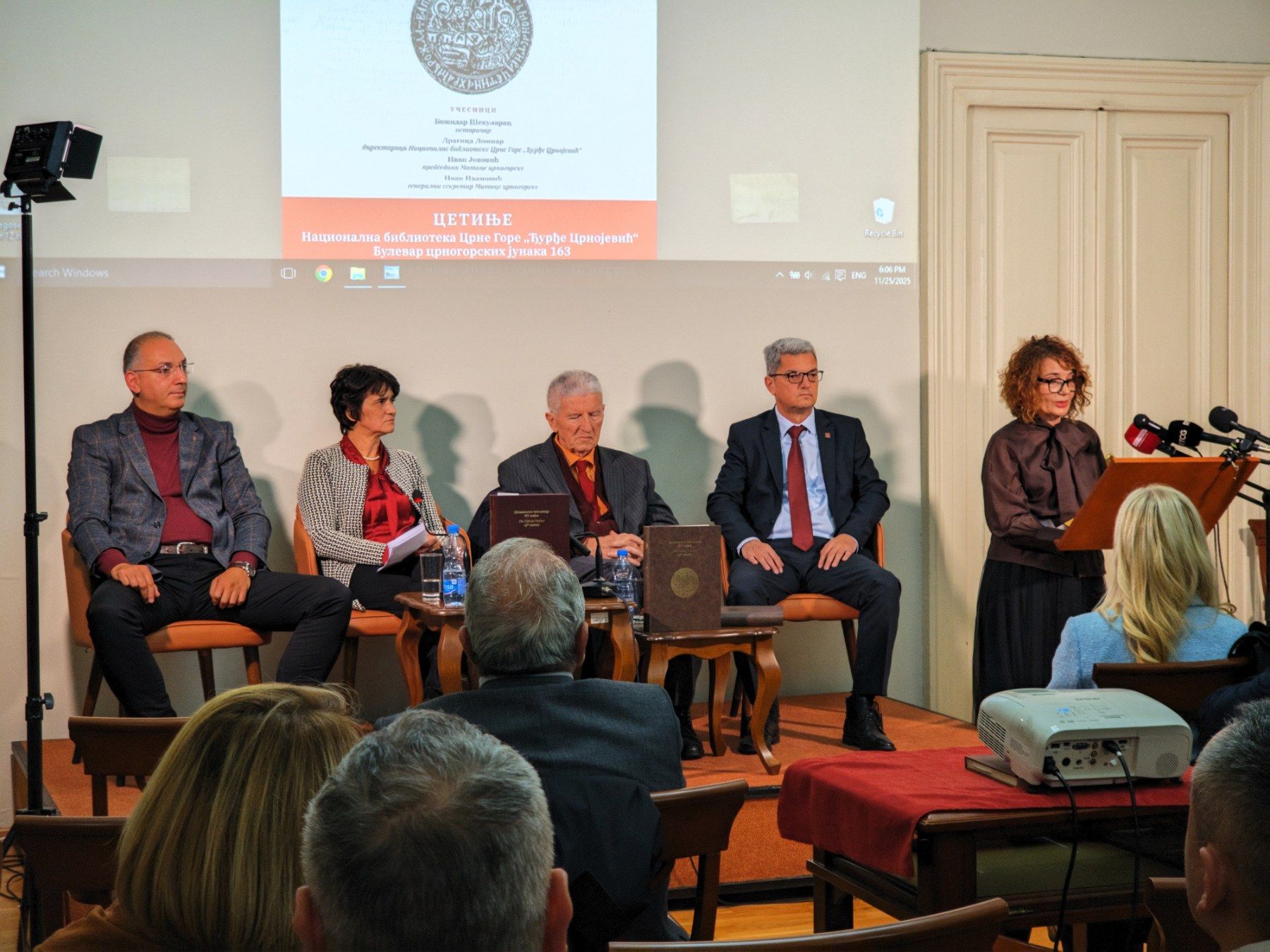
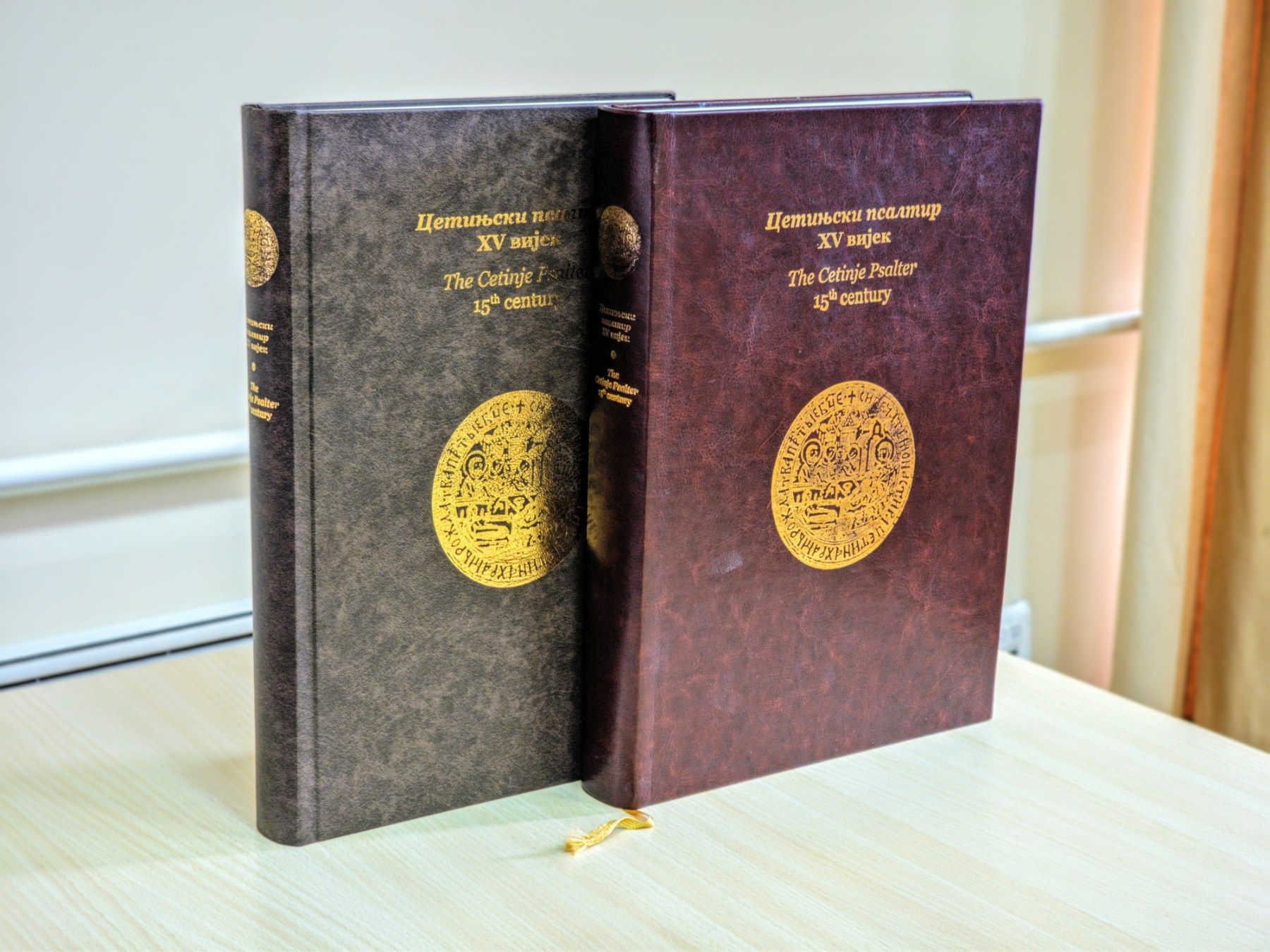
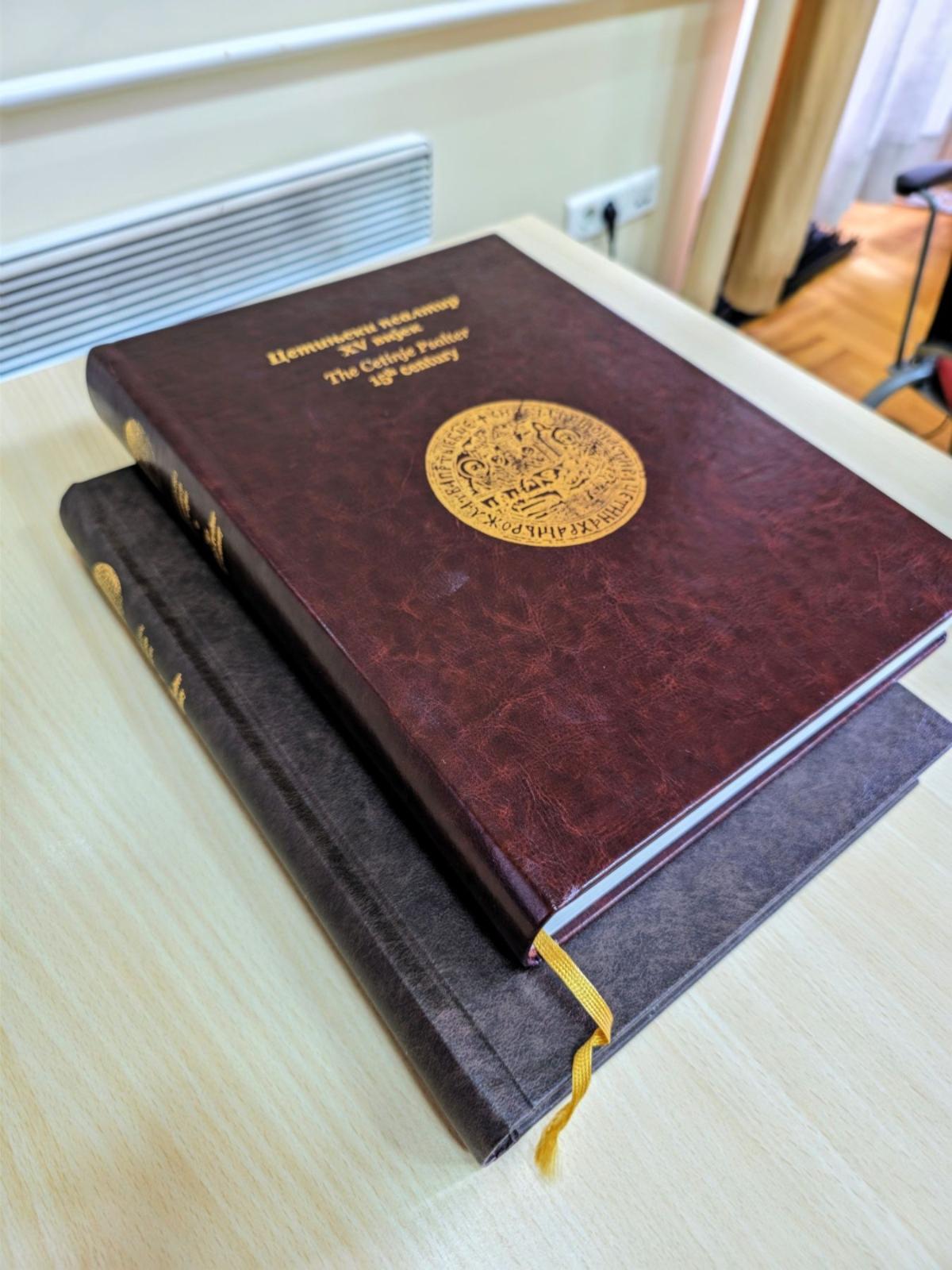
type edition of the handwritten “Cetinje Psalter” from the 15th
century, published as co-publishers by Matica Crnogorska and the
National Library of Montenegro “Đurđe Crnojević”, was promoted last
night in Cetinje.
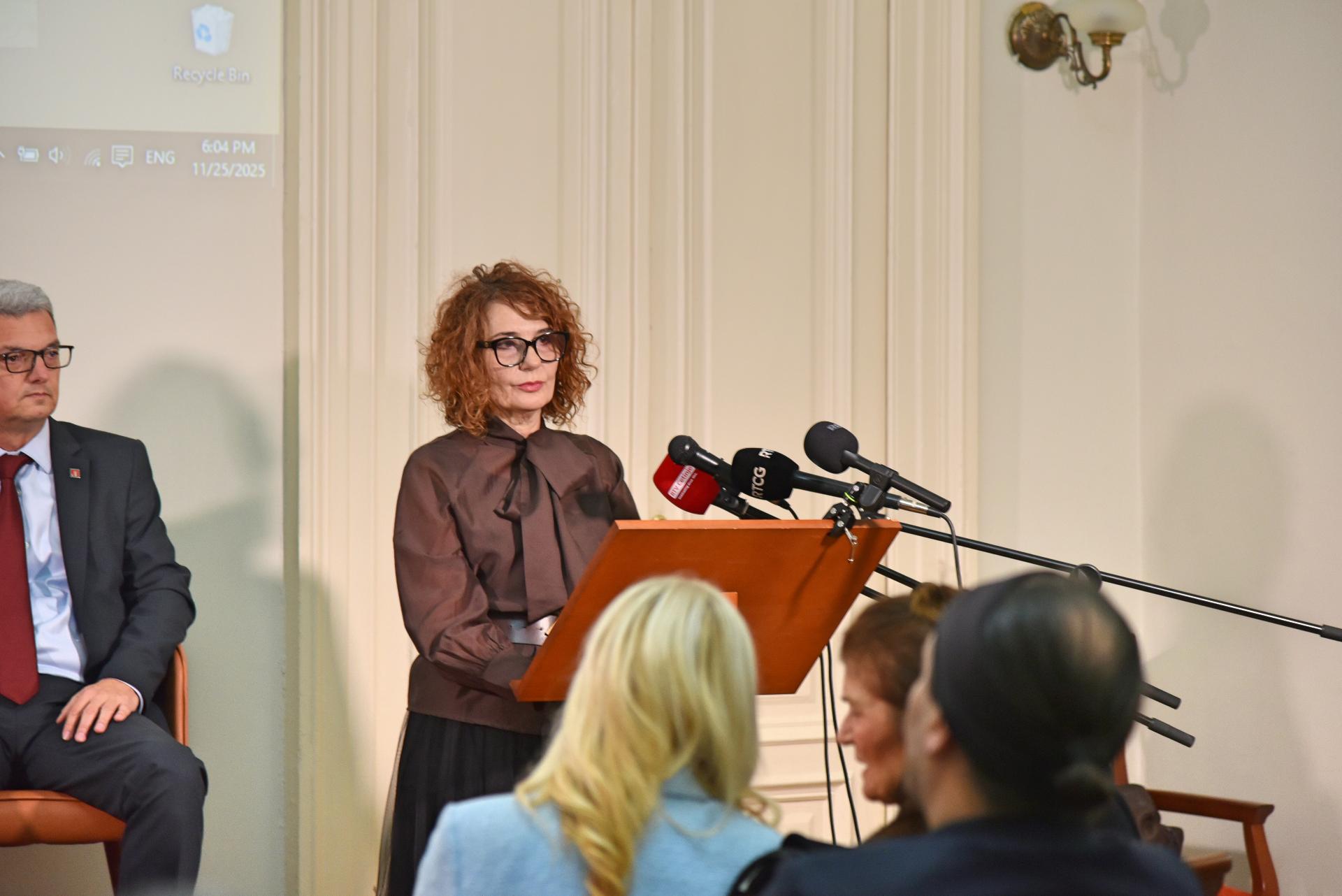
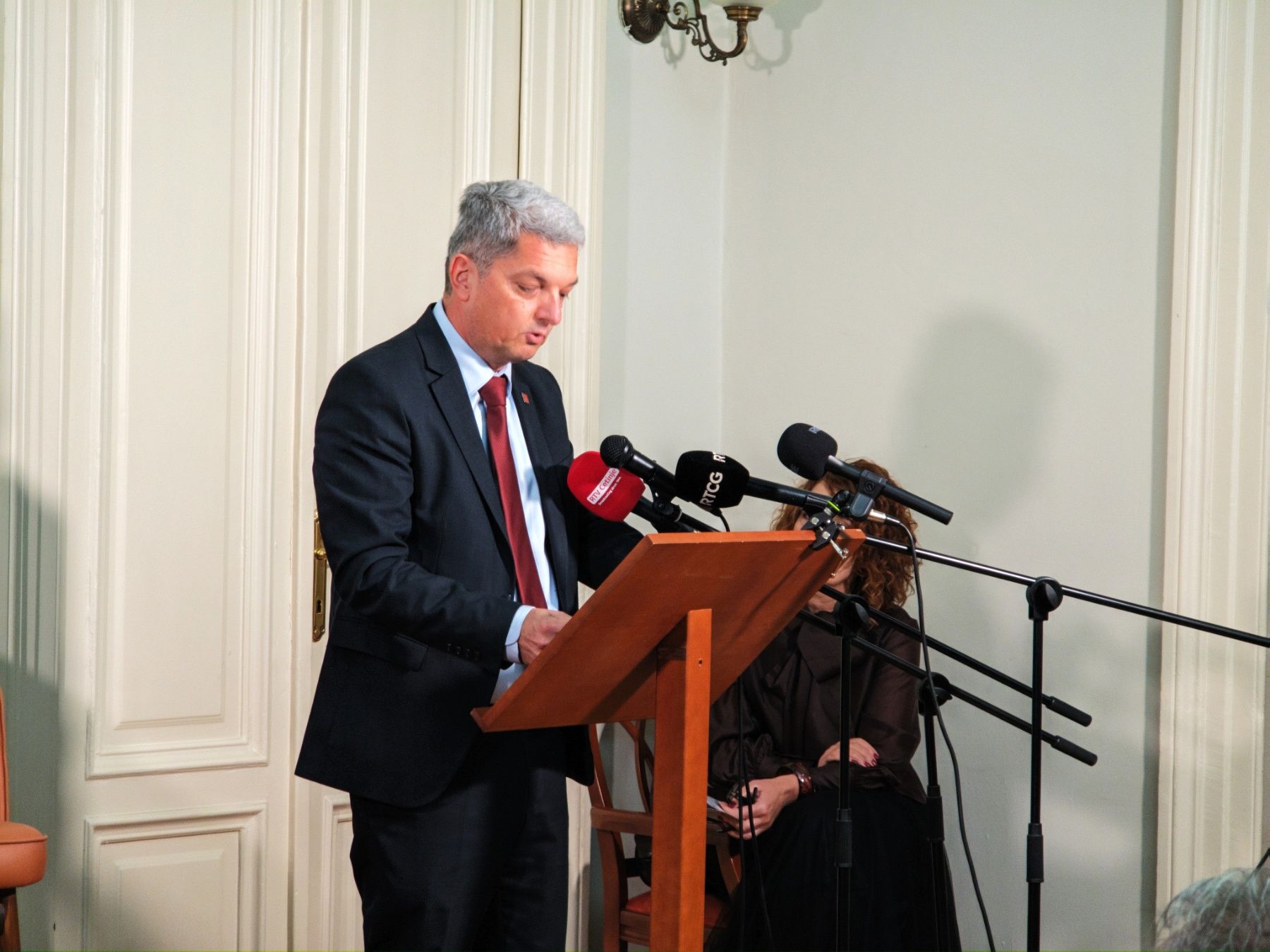
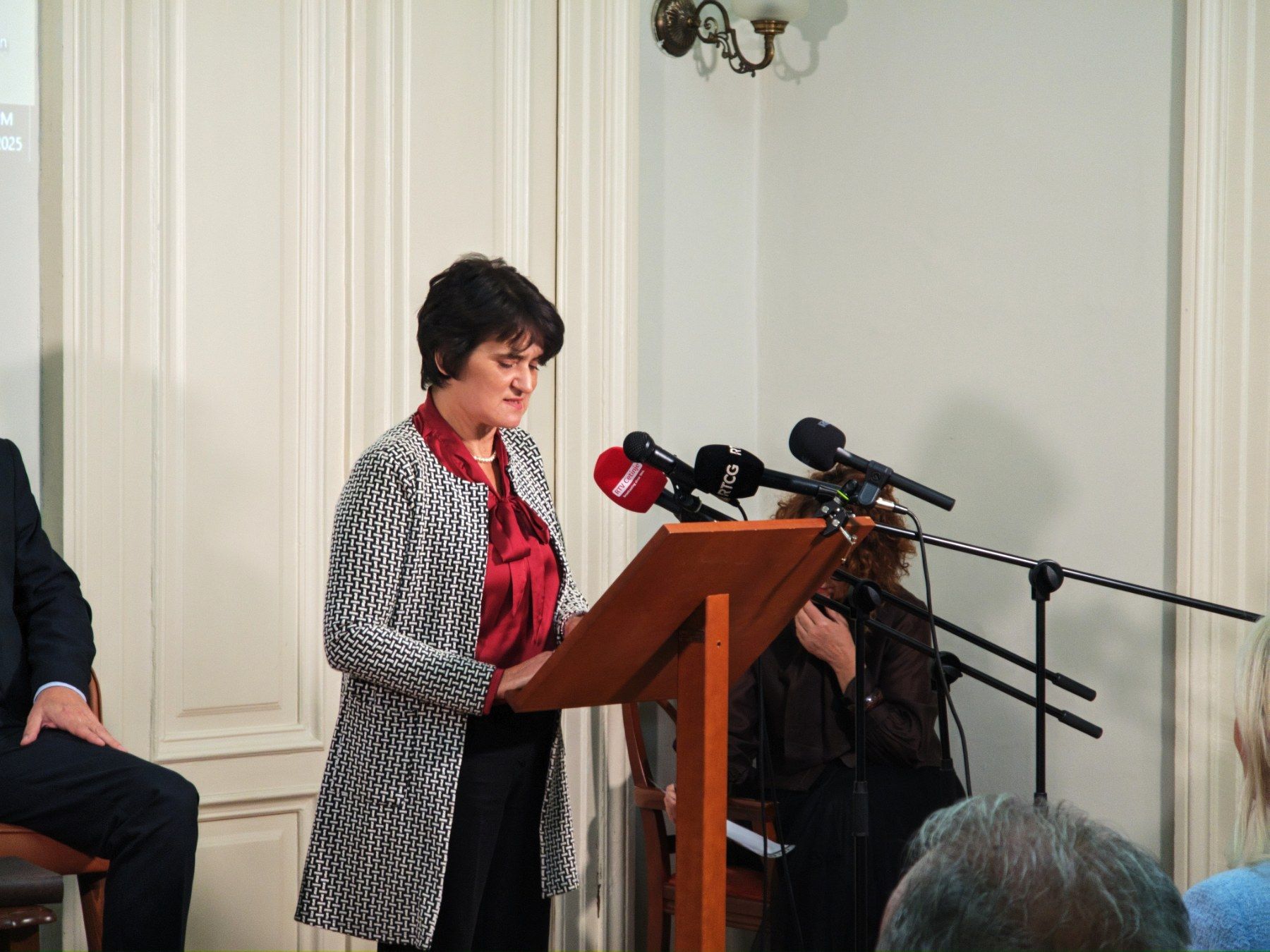
On behalf of the hosts, the director of NBCG "Đurđe Crnojević"
Dragica Lompar, who is one of the organizers of this edition, welcomed
the attendees. She reminded the audience of the fact that old
handwritten and printed books of Montenegrin medieval written heritage
are among the greatest values of our cultural history and culture as a
whole, and many of them have wider civilizational significance.
– The tradition of handwritten books enabled the establishment of the
Crnojević printing house in the 1590s, when medieval scribes adapted
their skills to printing activity - said Lompar, adding that the fate of
books in Montenegro was difficult and uncertain, due to constant
battles, war destruction and decay over time.
– In addition, Vuk Karadžić's role in alienating old books from our
area, which he later sold to various collectors and bibliophiles
throughout Europe, is well known. In the book “The Beginnings of
Printing in Montenegro” Evgenije Nemirovski states that Vuk Karadžić
sold the first shipment from Montenegro, which included the “Psalter
with a Follow-up” from 1495, to the Russian historian and bibliophile
Pogodin for 75 rubles in 1847. And, unfortunately, there were many of
those shipments to different addresses - said Lompar.
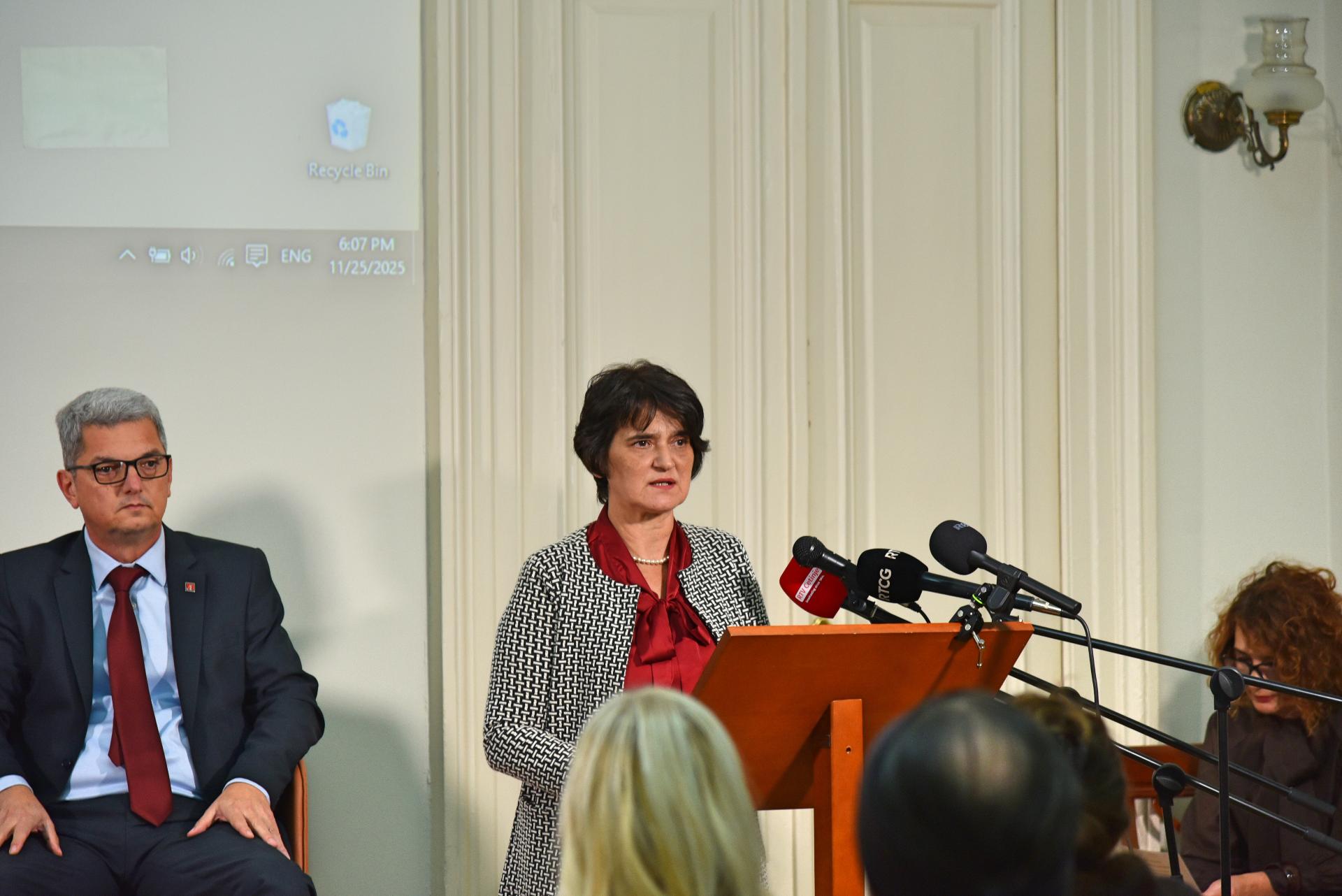
The editor of the publication, the general secretary of Matica
Crnogorska, Ivan Ivanović pointed out that Montenegrin historical,
cultural, spiritual and state continuity is confirmed by the abundance
of historical artifacts, among which written cultural monuments have a
special place.
– Starting with the oldest historical-literary writing of the South
Slavs, the famous “Chronicle of the Priest of Duklja”, through a series
of exceptional works such as “Miroslav's Gospel”, reaching the printed
editions of the first state printing house in Europe and the first
Cyrillic books in the Slavic south - Ivanovic said and added that it is
through these and similar editions that Matica Crnogorska wants to show
and recognize the evolution and continuity of Montenegrin spiritual,
cultural-historical and national identity as a phenomenon.
Analyzes and interpretations of historiographical and cultural
aspects in research show that during the reign of the Balšić and
Crnojević dynasties, some of the most important processes in the
evolution of the state-building and ethnographic identification of
Montenegro took place, but above all, Montenegrins as a national
community with a self-recognized national consciousness, Ivanović
pointed out.
– It is certain that the Montenegrin manuscript literary and written
heritage from that period was rich, much larger and more diverse in
genre than the one we know about now. Unfortunately, most literary and
written monuments have not been preserved - or have not yet been
identified. Today, preserved manuscripts are scattered all over Europe
and the world, and their description and identification should be dealt
with by a generation of younger Montenegrists - he said.
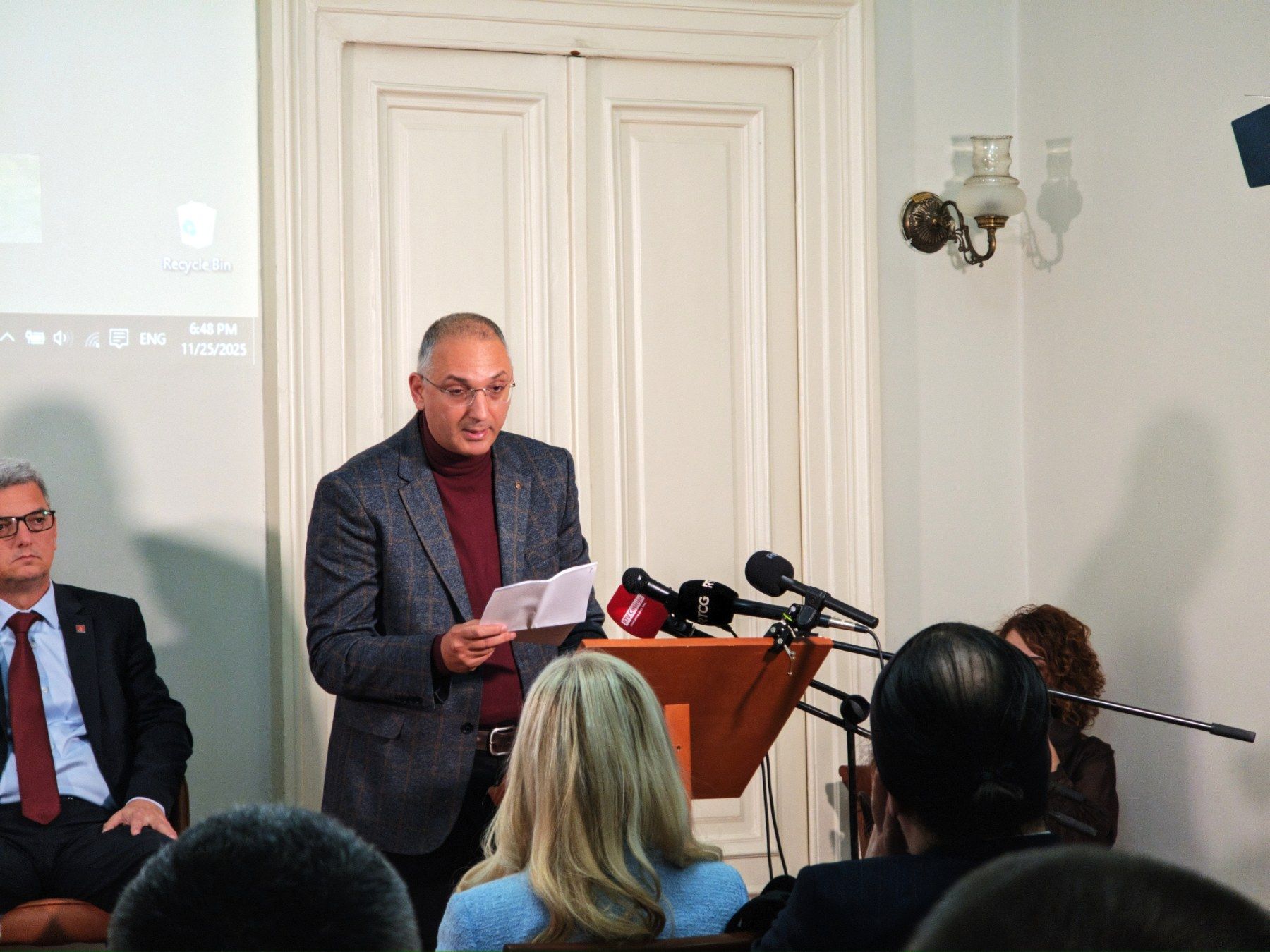
Historian Božidar Šekularac, who wrote the afterword to the photo
type edition of the handwritten “Cetinje Psalter”, spoke about its
characteristics.
– “Psalter” is a liturgical book of selected psalms and various psalm
texts for singing on religious holidays. "Psalter with Interpretations”
the allegorical meaning of each verse in relation to the New Testament -
it passed from the Greeks to the Slavs early on through books, e.g.
“Bologna Psalter” - 13th century - from Ohrid, “Munich Psalter” - 14th century, and of course our “Psalter with Follow-up” from the Crnojević printing house - said Šekularac.
Bearing in mind that there was a scriptorium and printing house in
Cetinje near the Crnojević court, it is not without foundation to claim
that this manuscript of the Cetinje Psalter with interpretations served
the Cetinje scribes and printers as a model to work on, especially since
the content of the text and the style are almost the same, pointed out
Šekularac.
– According to tradition, Psalm 151 is attributed to David the
Emperor, but among them there are also those that were written after his
time. These psalms are divided into three “glories” that end with
“hallelujah” (in Hebrew – “glory to you God”). The preface contains the
psalms of Vasilije the Great. Unlike the printed Psalter, which does not
have them, here there are prayers according to catechisms, then
optional psalms, and the prayer of John Chrysostom is also included.
Unlike the printed Psalter, which does not contain them, here we have
prayers according to catechisms, then elective psalms, and the prayer
of John Chrysostom is also included. The text of the Cetinje Psalter
with Interpretations contains the Old Testament poems of Moses; then
Troparions for Saturday and Sunday; akathists of the Virgin and John the
Baptist, the chapel of the Virgin, etc. - said Šekularac and added that
the “Cetinje Psalter with interpretations”, according to certain
indicators and opinions, originates from the first quarter of the 15th century, and was created in one of the scriptoriums in Gorice on Lake Skadar.
– The water signs of the given period are taken as the basis of this
claim. It was named after the Cetinje monastery where it was located for
a certain period of time - explained Šekularac.
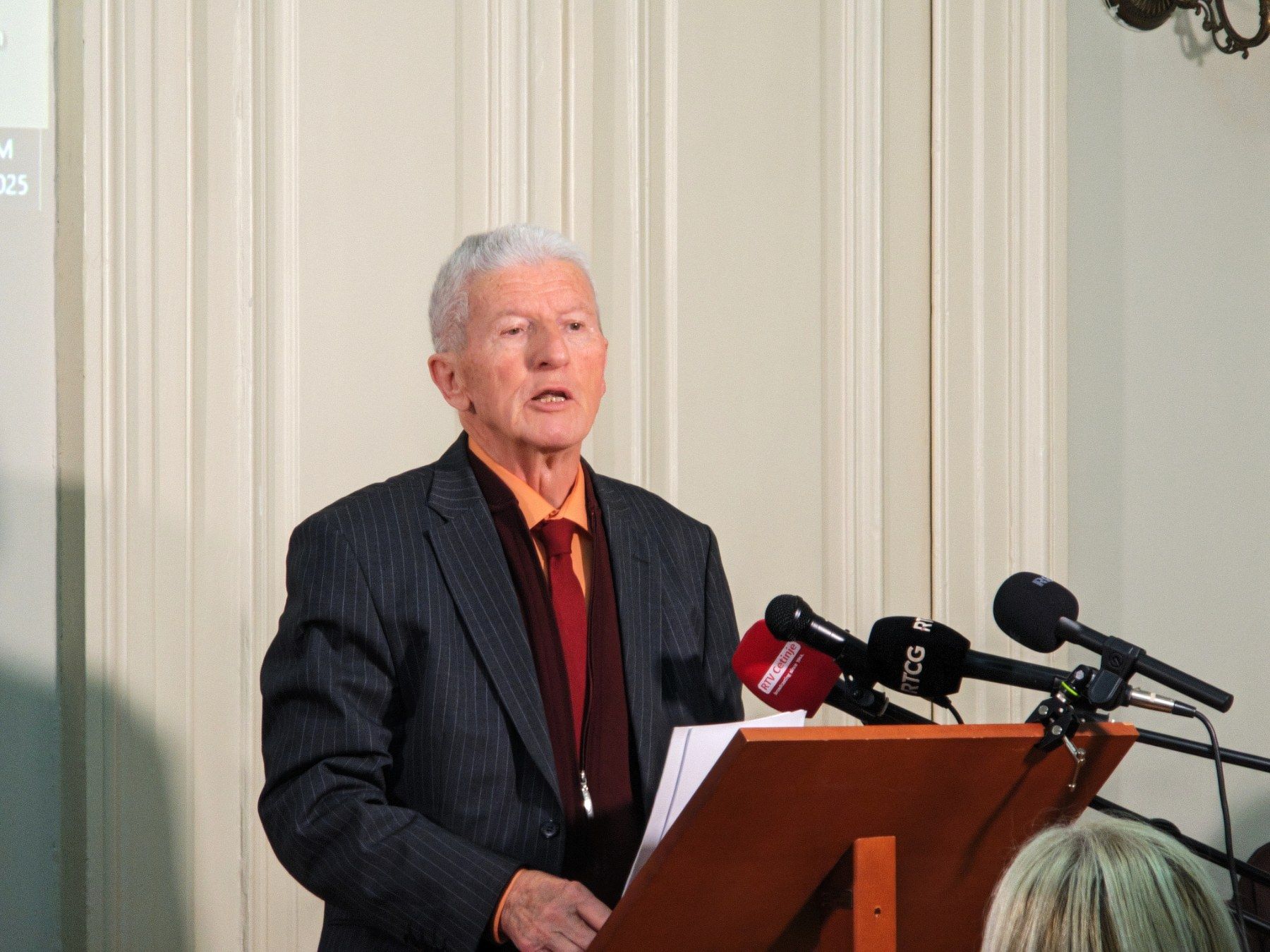
The president of Matica Montenegrin, Ivan Jovović, said that the
example of the Cetinje Psalter from the 15th century is proof that our
medieval history is not only written in stone, where various names and
titles of our medieval rulers, through church dignitaries, and even
ordinary people have been preserved, but that "our ancestors very early
began to leave traces in manuscripts in the Old Slavic language, which
represents the peculiarity of the linguistic and cultural expression of
the ancestors of Montenegrins."
– If we were to summarize the role of medieval Cyrillic texts in
Montenegrin culture, then we have in front of us a liturgical book that
is the product of authentic practice created under the auspices of the
Zeta Metropolis, deprived of the Russification to which literature of
the Montenegrin Orthodox Church was later exposed, from the beginning of
the 18th century, as was the case with other Orthodox dioceses on the
land of the former Austro-Hungarian, Venetian and Ottoman empires, which
accepted the patronage of the Russian emperor. Certainly, the Ottoman
conquest of Montenegro stopped to a significant extent the literary and
linguistic development that was several centuries old, considering that
many Orthodox churches and monasteries in that period, due to numerous
destructions, were left without liturgical literature, relying on
donations from various sources, which over time must have had an impact
on the vernacular as well, if we know the role of the church in the
society of that time.


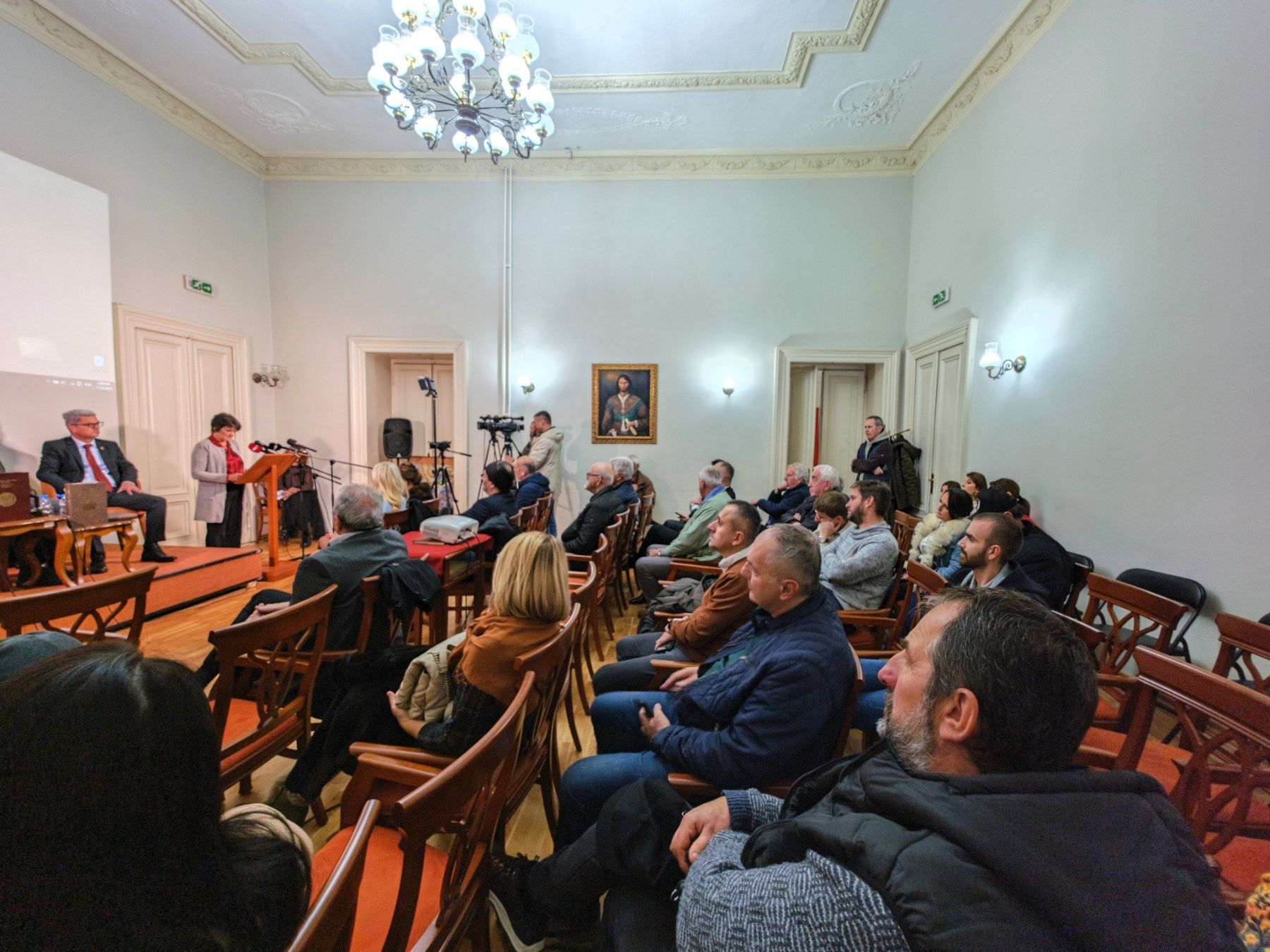
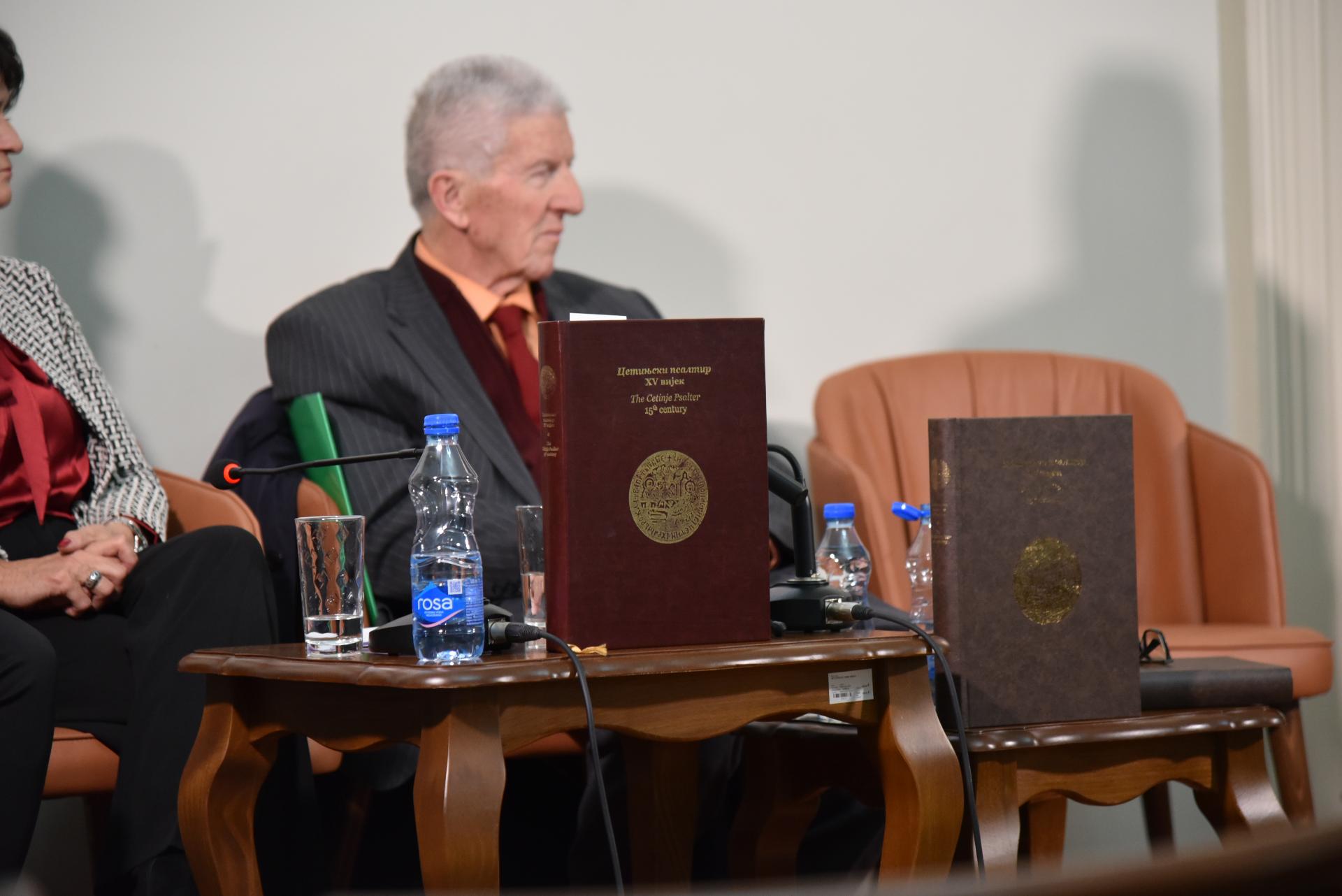

MANUSCRIPT BOOKS ARE THE FOUNDATION OF MONTENEGRIN CULTURE The photo type edition of the handwritten “Cetinje Psalter” from the 15th century, published as co-publishers by Matica Crnogorska and the National Library of Montenegro “Đurđe Crnojević”, was promoted last night in Cetinje.
On behalf of the hosts, the director of NBCG "Đurđe Crnojević" Dragica Lompar, who is one of the organizers of this edition, welcomed the attendees. She reminded the audience of the fact that old handwritten and printed books of Montenegrin medieval written heritage are among the greatest values of our cultural history and culture as a whole, and many of them have wider civilizational significance.
– The tradition of handwritten books enabled the establishment of the Crnojević printing house in the 1590s, when medieval scribes adapted their skills to printing activity - said Lompar, adding that the fate of books in Montenegro was difficult and uncertain, due to constant battles, war destruction and decay over time.
– In addition, Vuk Karadžić's role in alienating old books from our area, which he later sold to various collectors and bibliophiles throughout Europe, is well known. In the book “The Beginnings of Printing in Montenegro” Evgenije Nemirovski states that Vuk Karadžić sold the first shipment from Montenegro, which included the “Psalter with a Follow-up” from 1495, to the Russian historian and bibliophile Pogodin for 75 rubles in 1847. And, unfortunately, there were many of those shipments to different addresses - said Lompar.
The editor of the publication, the general secretary of Matica Crnogorska, Ivan Ivanović pointed out that Montenegrin historical, cultural, spiritual and state continuity is confirmed by the abundance of historical artifacts, among which written cultural monuments have a special place.
– Starting with the oldest historical-literary writing of the South Slavs, the famous “Chronicle of the Priest of Duklja”, through a series of exceptional works such as “Miroslav's Gospel”, reaching the printed editions of the first state printing house in Europe and the first Cyrillic books in the Slavic south - Ivanovic said and added that it is through these and similar editions that Matica Crnogorska wants to show and recognize the evolution and continuity of Montenegrin spiritual, cultural-historical and national identity as a phenomenon.
Analyzes and interpretations of historiographical and cultural aspects in research show that during the reign of the Balšić and Crnojević dynasties, some of the most important processes in the evolution of the state-building and ethnographic identification of Montenegro took place, but above all, Montenegrins as a national community with a self-recognized national consciousness, Ivanović pointed out.
– It is certain that the Montenegrin manuscript literary and written heritage from that period was rich, much larger and more diverse in genre than the one we know about now. Unfortunately, most literary and written monuments have not been preserved - or have not yet been identified. Today, preserved manuscripts are scattered all over Europe and the world, and their description and identification should be dealt with by a generation of younger Montenegrists - he said.
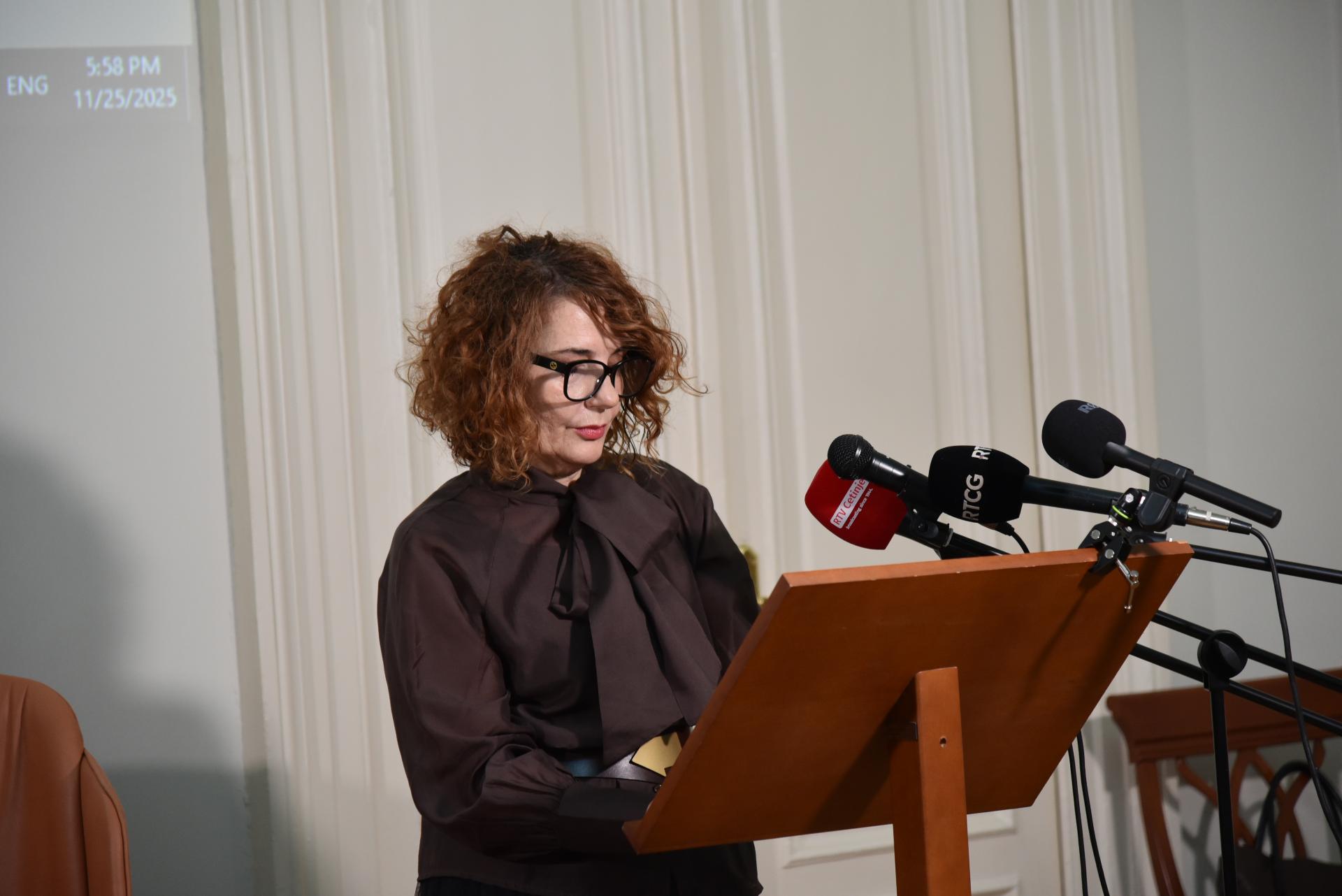
Historian Božidar Šekularac, who wrote the afterword to the photo type edition of the handwritten “Cetinje Psalter”, spoke about its characteristics.
– “Psalter” is a liturgical book of selected psalms and various psalm texts for singing on religious holidays. "Psalter with Interpretations” the allegorical meaning of each verse in relation to the New Testament - it passed from the Greeks to the Slavs early on through books, e.g. “Bologna Psalter” - 13th century - from Ohrid, “Munich Psalter” - 14th century, and of course our “Psalter with Follow-up” from the Crnojević printing house - said Šekularac.
Bearing in mind that there was a scriptorium and printing house in Cetinje near the Crnojević court, it is not without foundation to claim that this manuscript of the Cetinje Psalter with interpretations served the Cetinje scribes and printers as a model to work on, especially since the content of the text and the style are almost the same, pointed out Šekularac.
– According to tradition, Psalm 151 is attributed to David the Emperor, but among them there are also those that were written after his time. These psalms are divided into three “glories” that end with “hallelujah” (in Hebrew – “glory to you God”). The preface contains the psalms of Vasilije the Great. Unlike the printed Psalter, which does not have them, here there are prayers according to catechisms, then optional psalms, and the prayer of John Chrysostom is also included.
Unlike the printed Psalter, which does not contain them, here we have prayers according to catechisms, then elective psalms, and the prayer of John Chrysostom is also included. The text of the Cetinje Psalter with Interpretations contains the Old Testament poems of Moses; then Troparions for Saturday and Sunday; akathists of the Virgin and John the Baptist, the chapel of the Virgin, etc. - said Šekularac and added that the “Cetinje Psalter with interpretations”, according to certain indicators and opinions, originates from the first quarter of the 15th century, and was created in one of the scriptoriums in Gorice on Lake Skadar.
– The water signs of the given period are taken as the basis of this claim. It was named after the Cetinje monastery where it was located for a certain period of time - explained Šekularac.
The president of Matica Montenegrin, Ivan Jovović, said that the example of the Cetinje Psalter from the 15th century is proof that our medieval history is not only written in stone, where various names and titles of our medieval rulers, through church dignitaries, and even ordinary people have been preserved, but that "our ancestors very early began to leave traces in manuscripts in the Old Slavic language, which represents the peculiarity of the linguistic and cultural expression of the ancestors of Montenegrins."
– If we were to summarize the role of medieval Cyrillic texts in Montenegrin culture, then we have in front of us a liturgical book that is the product of authentic practice created under the auspices of the Zeta Metropolis, deprived of the Russification to which literature of the Montenegrin Orthodox Church was later exposed, from the beginning of the 18th century, as was the case with other Orthodox dioceses on the land of the former Austro-Hungarian, Venetian and Ottoman empires, which accepted the patronage of the Russian emperor. Certainly, the Ottoman conquest of Montenegro stopped to a significant extent the literary and linguistic development that was several centuries old, considering that many Orthodox churches and monasteries in that period, due to numerous destructions, were left without liturgical literature, relying on donations from various sources, which over time must have had an impact on the vernacular as well, if we know the role of the church in the society of that time.